A Complete Guide to Natural Slug Control in Your Garden
 Nov 29, 2025
Few things are more disheartening to a gardener than discovering rows of seedlings devoured overnight or prized hosta leaves riddled with holes. The culprits are often slugs, relentless pests that thrive in damp conditions. While the first instinct might be to reach for harsh chemical solutions, a more effective and eco-friendly strategy focuses on long-term management rather than total eradication.
By understanding slug behavior and making a few strategic adjustments to your gardening practices, you can protect your plants, reduce pest populations, and foster a healthier, more balanced garden ecosystem. This guide covers a complete approach, from creating an environment where slugs can’t thrive to implementing simple, effective traps for existing populations.
Creating a Slug-Unfriendly Environment: Proactive Strategies
The best defense is a good offense. By making your garden less hospitable to slugs, you can significantly reduce their numbers and the damage they cause. These preventative measures disrupt their preferred habitat and life cycle.
Master Your Watering Schedule
Slugs are mollusks that require moisture to move and feed. Their slimy bodies quickly dehydrate in dry, sunny conditions, which is why they are most active at night or on overcast, rainy days. You can use this to your advantage.
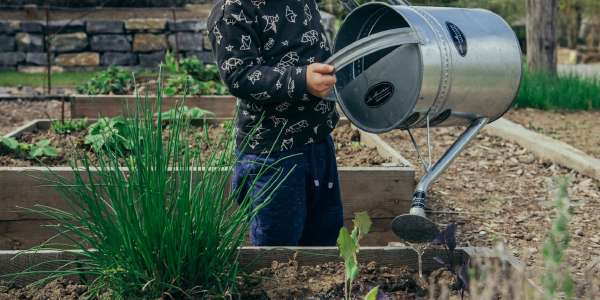
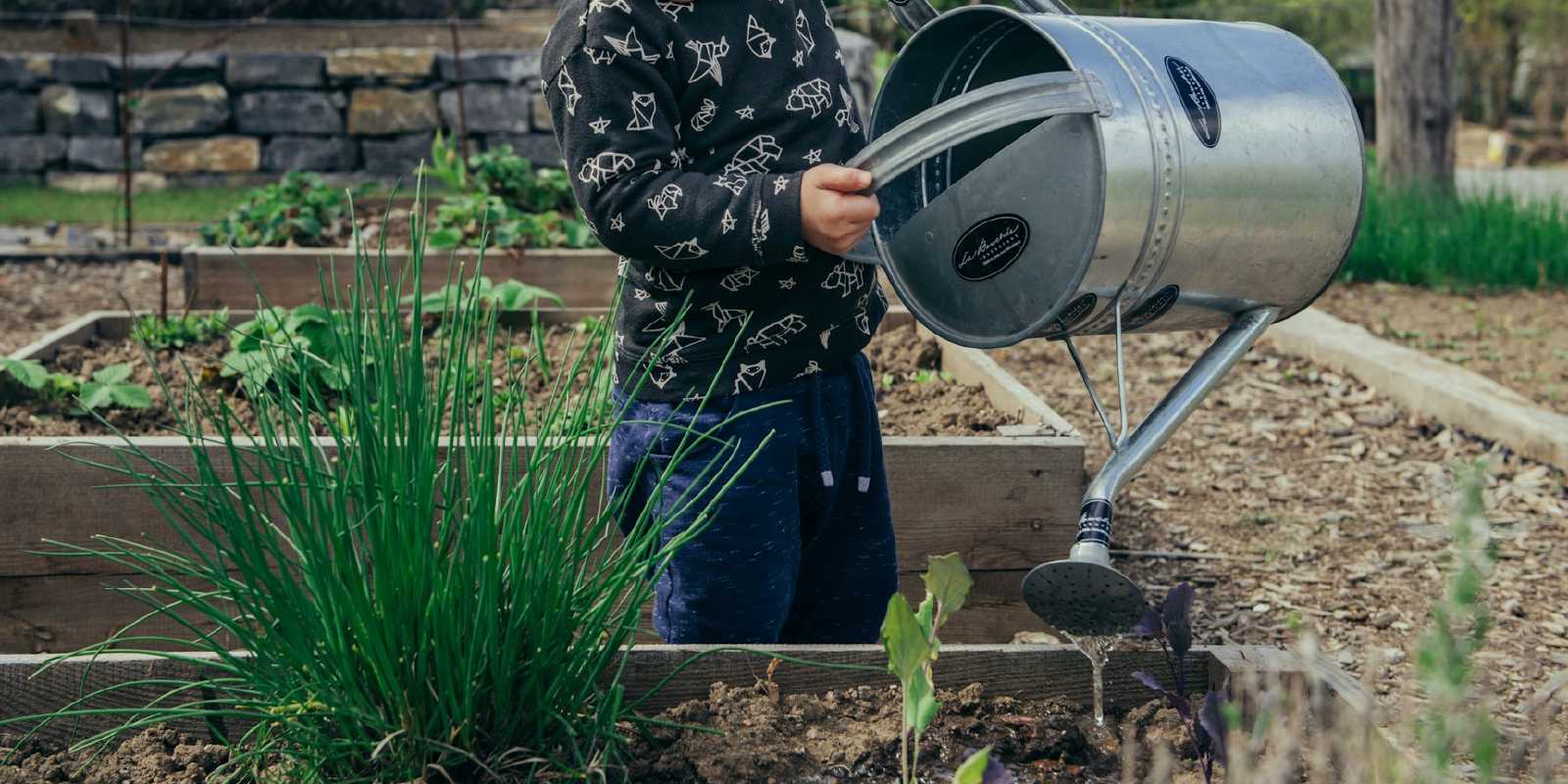
Instead of watering in the evening, switch to an early morning schedule. Watering your plants first thing in the morning gives the soil surface and plant foliage the entire day to dry out. By the time evening arrives and slugs begin to emerge, the drier ground creates a less attractive and more difficult terrain for them to navigate, limiting their feeding range.
Disrupt the Slug Life Cycle with Soil Aeration
Slugs lay their gelatinous, pearl-like eggs in moist, sheltered locations, often just below the soil surface. A single slug can lay hundreds of eggs, so disrupting their reproductive cycle is a powerful control method.
After a period of rain, when the soil is soft, take a cultivator or a three-pronged hand tool and gently loosen the top few inches of soil around your plants. This action brings clusters of slug eggs to the surface. Exposed to the air and sunlight, these eggs quickly desiccate and perish, preventing the next generation of pests from ever hatching.
Encourage Natural Predators
Your garden can be its own best defense. By avoiding broad-spectrum pesticides, you allow a healthy population of natural slug predators to establish themselves. Many beneficial creatures prey on slugs and their eggs, including:
- Ground beetles
- Toads and frogs
- Birds
- Beneficial shelled snails (like the Roman snail)
Interestingly, some shelled snails, often mistaken for pests, are actually allies. Roman snails, for example, primarily feed on decaying plant matter and even consume the eggs of destructive slugs. Creating a safe, chemical-free habitat encourages these natural allies to do the pest control work for you.
Plant a Slug-Resistant Garden
One of the most effective long-term strategies is to fill your garden with plants that slugs naturally avoid. Slugs tend to dislike plants with highly fragrant foliage, tough or leathery leaves, or fuzzy textures. Incorporating these species can create a natural barrier and reduce the overall appeal of your garden as a food source.
Consider adding some of these beautiful, slug-resistant varieties to your landscape:
- Perennials: Astilbe, Bleeding Heart (Dicentra), Hellebore (Lenzrose), Penstemon, Ferns, and Carnations (Nelken).
- Ornamental Grasses: Most varieties of ornamental grass are unappealing to slugs due to their tough texture.
- Flowers: Roses and Balloon Flowers (Platycodon) are generally left alone.
By choosing the right plants for vulnerable areas, you can design a garden that is not only beautiful but also naturally resilient to slug damage.
Actively Reducing Slug Populations: Traps and Removal
Even with the best preventative measures, you may still find slugs munching on your tender plants. When you need to actively reduce their numbers in a specific area, simple, non-toxic traps are an excellent solution.
The Classic Bait Trap Method
Bait traps work by luring slugs to a central, contained location where they can be easily collected and removed. They are most effective when placed in the evening in areas with high slug activity.
You can use various materials as bait. Hollowed-out pineapple or citrus rinds work well, as do large, overturned rhubarb or cabbage leaves. The key is to provide a dark, damp, and appealing shelter that slugs will seek out. Check the traps every morning, collect the slugs that have gathered, and dispose of them.
The Sweet Success of the Melon Rind Trap
One of the most effective and simple bait traps utilizes a common kitchen scrap: melon rind. Slugs are powerfully attracted to the sweet scent and high moisture content of melons like cantaloupe or watermelon.
How to set a melon trap:
- Placement: In the evening, place a few pieces of melon rind, flesh-side down, on the soil near the plants you want to protect.
- Attraction: Overnight, slugs from the surrounding area will be drawn to the rind and congregate on it to feed.
- Collection: The next morning, simply lift the rind. You will find a concentrated group of slugs clinging to it, making them incredibly easy to collect and remove from your garden.
This method is a fantastic way to divert slugs from your valuable plants and significantly reduce the local population with minimal effort.
Responsible Slug and Snail Disposal
When collecting pests from your garden, it’s important to distinguish between destructive slugs and beneficial creatures. As mentioned, some shelled snails are helpful predators and should be gently relocated to another part of the garden, like a compost pile, where they can continue their work.
Slugs, however, should be removed permanently to protect your plants. The most straightforward disposal method is to drop them into a bucket of soapy water. Alternatively, they can be sealed in a bag and placed in your organic waste bin. This ensures they won’t simply crawl back to your garden beds.
By combining proactive environmental controls with targeted, reactive trapping, you can effectively manage slug populations and protect your plants. This integrated approach not only solves your immediate pest problem but also contributes to a more resilient and self-sustaining garden ecosystem for years to come.