Containing Slugs
 Sep 17, 2025
Effective Slug Management in the Garden
Rather than attempting to eradicate slugs, effective management focuses on containment and creating an environment less favorable to them.
Strategies for Slug Control
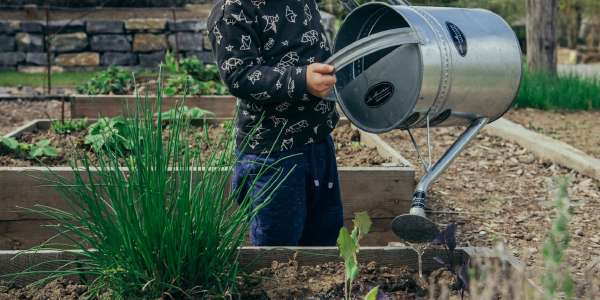
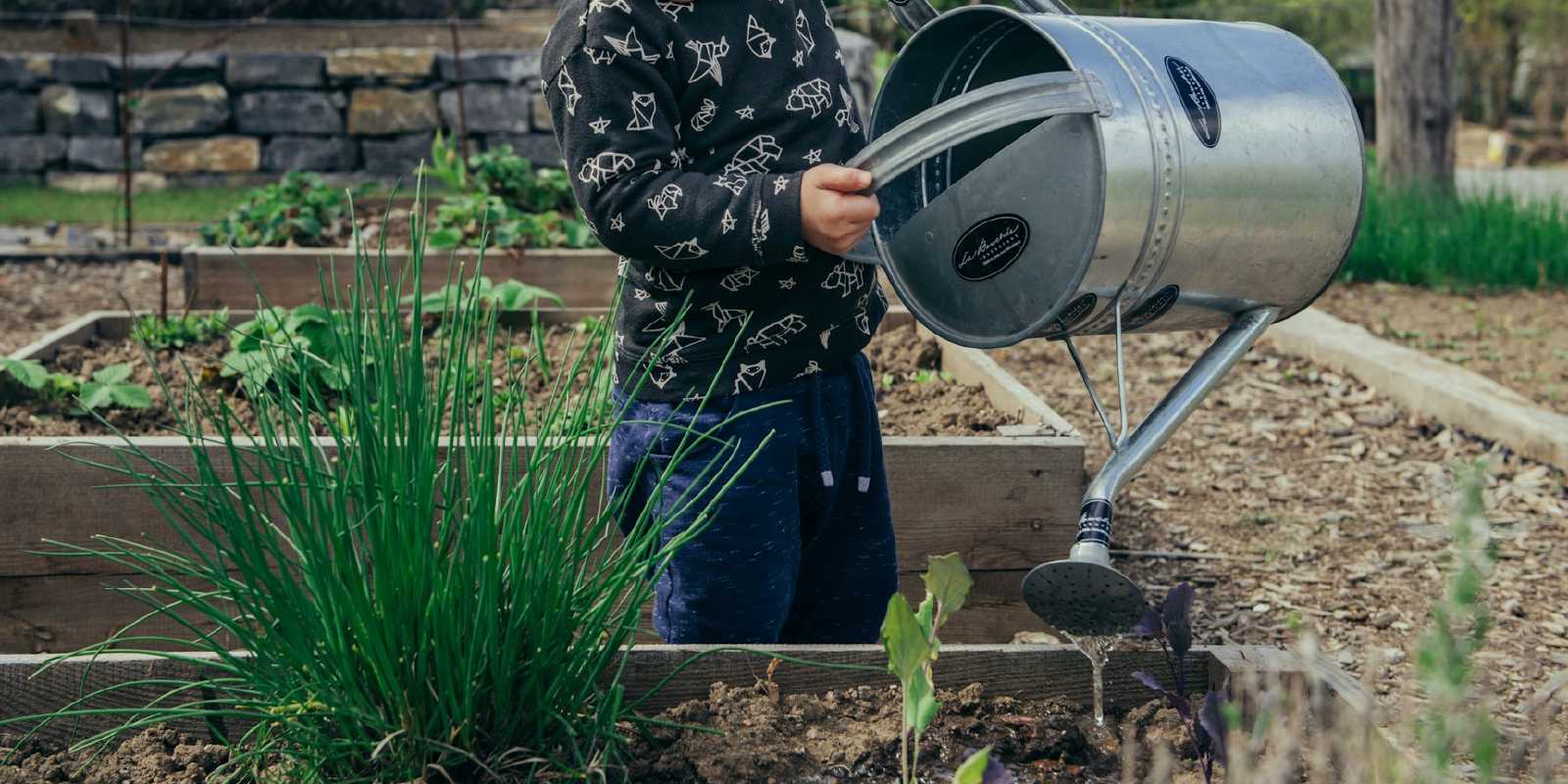
- Adjust Watering Schedule: Water plants in the early morning hours. This allows the soil surface to dry significantly before evening, making it less attractive for slugs to emerge and feed.
- Aerate Soil After Rain: Following rainfall, promptly loosen the soil with a cultivator or a three-pronged tool. This action brings slug eggs to the surface, exposing them to air and sunlight, which helps in their desiccation and destruction.
- Encourage Natural Predators: Discontinuing the use of certain molluscicides can foster the growth of beneficial shelled snail populations (e.g., Roman snails). These snails act as natural predators, feeding on dead plant material and slug eggs, thus contributing to a balanced garden ecosystem.
- Plant Slug-Resistant Species: Incorporate plants that slugs typically avoid. Suitable choices include:
- Bleeding Heart (Tränendes Herz)
- Various grasses
- Ferns
- Balloon Flowers (Ballonblumen)
- Penstemon (Bartfaden)
- Carnations (Nelken)
- Astilbes
- Hellebores (Lenzrosen)
- Roses
- Utilize Bait Traps: In areas with high slug activity, deploy simple bait traps. Materials like hollowed-out pineapple halves or rhubarb leaves can attract slugs. These traps should be checked and emptied daily, with slugs collected for disposal.
Disposal Methods
Shelled snails are beneficial to the garden ecosystem and should be gently relocated. Slugs, however, should be removed from the garden and can be disposed of in the organic waste bin. This approach helps minimize damage to cultivated plants.