Create a Buzz: Your Ultimate Guide to a Pollinator-Friendly Garden
 Nov 29, 2025
Our gardens and green spaces are more than just beautiful landscapes; they are vital ecosystems. At the heart of these ecosystems are pollinators—bees, butterflies, hoverflies, and other insects that are indispensable for the health of our planet. They are responsible for the pollination of countless fruits, vegetables, and flowers. Without their diligent work, global food production would be severely impacted, and natural biodiversity would collapse.
Unfortunately, pollinator populations are in decline due to habitat loss and the prevalence of perfectly manicured, resource-poor lawns. The good news is that every gardener, regardless of the size of their space, can make a profound difference. By adopting a few simple strategies—from rethinking your mowing schedule to planting the right flowers—you can transform your garden into a thriving sanctuary for these essential creatures. This guide will walk you through both low-effort and proactive methods to create a buzzing, pollinator-friendly paradise.
Why Supporting Pollinators is Crucial
Before diving into the “how,” it’s essential to understand the “why.” Pollinators are a keystone group in most terrestrial ecosystems. About 75% of the world’s flowering plants and approximately 35% of global food crops depend on animal pollinators to produce. When you see a bee flitting from flower to flower, you’re witnessing a critical process that ensures the production of everything from apples and almonds to coffee and squash.
The decline in bee and wild bee populations is a clear warning sign. Tidy, uniform lawns and gardens often function as “food deserts” for these insects, lacking the nectar and pollen they need to survive and thrive. By making conscious choices in our own backyards, we can create vital corridors of nourishment and shelter that help sustain and rebuild these crucial populations.
The “Less is More” Approach: Rethinking Your Lawn
One of the most effective and easiest ways to support pollinators is to do less. A pristine, weed-free lawn offers virtually nothing for local wildlife. By relaxing your maintenance routine, you can quickly create a valuable habitat.
What is ‘No Mow May’?
“No Mow May” is a popular conservation initiative that encourages gardeners to put away their lawnmowers for the entire month of May. The goal is to allow early-season wildflowers, often dismissed as “weeds,” to grow and bloom. Flowers like dandelions, clover, and buttercups provide a critical source of nectar and pollen for pollinators emerging from hibernation when other food sources are still scarce.
This simple act of inaction helps create a robust food web, supporting bees, butterflies, and other insects early in their life cycle. It’s a powerful demonstration of how small changes in our gardening habits can have a big ecological impact.
How to Participate (Even After May)
While “No Mow May” is a fantastic start, you can extend these principles throughout the growing season for even greater benefits.
- Mow Less Often: Instead of a weekly trim, try mowing every three to four weeks. This gives low-growing flowers like clover and self-heal a chance to bloom between cuts.
- Create “Freedom Lawns”: If a fully unmown lawn isn’t for you, consider mowing paths through the grass while leaving large patches or “islands” to grow wild. These unmown areas will quickly become buzzing with activity and add a beautiful, naturalistic look to your garden.
- Raise Your Mower Blade: When you do mow, set the blade to a higher level (3-4 inches). This helps protect the small creatures living in the grass and allows low-growing plants to better withstand the cut.
Proactive Planting for a Pollinator Paradise
While mowing less creates an instant benefit, actively planting a variety of flowers provides a sustained, high-quality food source for a wider range of pollinators. Building a diverse floral buffet is the cornerstone of a truly insect-friendly garden.
The Power of Native Wildflowers
Native plants are species that have evolved in your local region for thousands of years. They are perfectly adapted to the climate and soil, and local pollinators are adapted to them. Planting natives is one of the most effective ways to support biodiversity.
A wonderful and resilient example is the ox-eye daisy (Leucanthemum vulgare). This cheerful wildflower is not only a favorite of bees and butterflies but is also incredibly easy to grow and propagate.
Propagating Ox-Eye Daisies: An Easy & Free Method
You can easily add ox-eye daisies to your garden at no cost:
- From Cuttings: Find established plants, often at the edges of meadows or in wildflower patches. Take a few cuttings and place them in a jar of water. They will develop roots within a week or two, at which point you can plant them directly into your garden soil.
- From Seed: After they flower, ox-eye daisies produce a copious amount of seeds. You can either let them self-seed and spread naturally or collect the dried seed heads and scatter the seeds where you want them to grow.
A significant advantage of ox-eye daisies is their natural resistance to slugs, a common garden pest that often targets cultivated daisy varieties.
Building a Diverse Floral Buffet
To support the widest range of pollinators, aim for diversity. Different insects are attracted to different flower shapes, colors, and scents. Furthermore, providing blooms from early spring to late autumn ensures a continuous food supply throughout the entire season.
Consider planting a mix of the following:
- Early Spring: Crocus, Grape Hyacinth, Willow
- Late Spring/Early Summer: Alliums, Lavender, Salvia, Chives, Ox-Eye Daisies
- Mid-Summer: Coneflowers (Echinacea), Black-Eyed Susans, Bee Balm (Monarda)
- Late Summer/Autumn: Asters, Goldenrod, Sedum (Stonecrop)
This staggered bloom time creates a reliable, season-long nectar and pollen source that will keep your garden buzzing with life.
No Garden? No Problem! Pollinator Support in Small Spaces
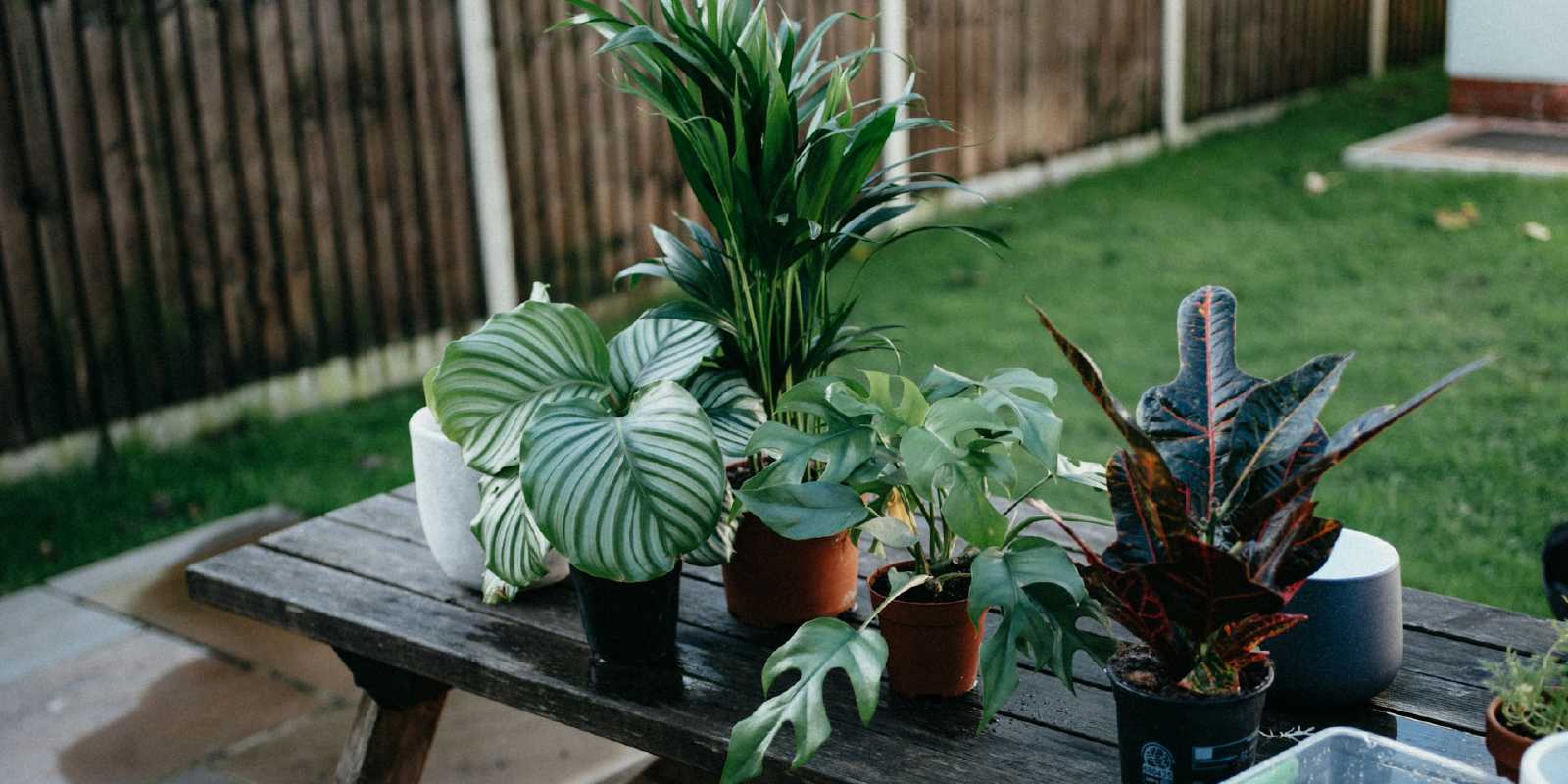
You don’t need a sprawling yard to make a difference. Even a small balcony, patio, or sunny windowsill can be transformed into a valuable pollinator pit stop. Container gardening is an excellent way to provide food for urban insects.
Choose pots and containers with good drainage and fill them with pollinator-friendly plants that thrive in confined spaces. Herbs like lavender, rosemary, thyme, and chives are fantastic choices, as are flowers like marigolds, zinnias, and cosmos. A small collection of well-chosen pots can create a vital oasis for pollinators navigating the urban landscape.
Every flower counts. Your small-space garden contributes to a larger network of green spaces that help insects travel, feed, and survive.