Create Your Own Christmas Magic: A Guide to Fimo Clay Crafts
 Nov 20, 2025
The holiday season is a time for cherished traditions, and what could be more special than decorating your home with creations made by your own hands? Fimo modeling clay offers a vibrant and versatile medium to bring your festive ideas to life. From a detailed nativity scene to charming tree ornaments, this guide will walk you through the process of creating unique Christmas keepsakes that you can enjoy for years to come.
Whether you’re a seasoned crafter or a curious beginner, working with Fimo is a rewarding experience that lets you disconnect and focus on the creative process. Let’s get started on making some holiday magic.
Getting Started with Fimo Clay
Before you can shape your festive figures, a little preparation is key. Setting up your workspace and understanding the basics of handling the clay will ensure your projects turn out beautifully.
Essential Tools and Workspace
You don’t need a full artist’s studio to work with Fimo, but a few basic tools will make the process much smoother.
- Work Surface: A smooth glass plate or a ceramic tile is an ideal surface. It’s easy to clean and won’t stick to the clay.
- Roller: A smooth, empty glass bottle or a dedicated acrylic roller works perfectly for rolling out even sheets of clay.
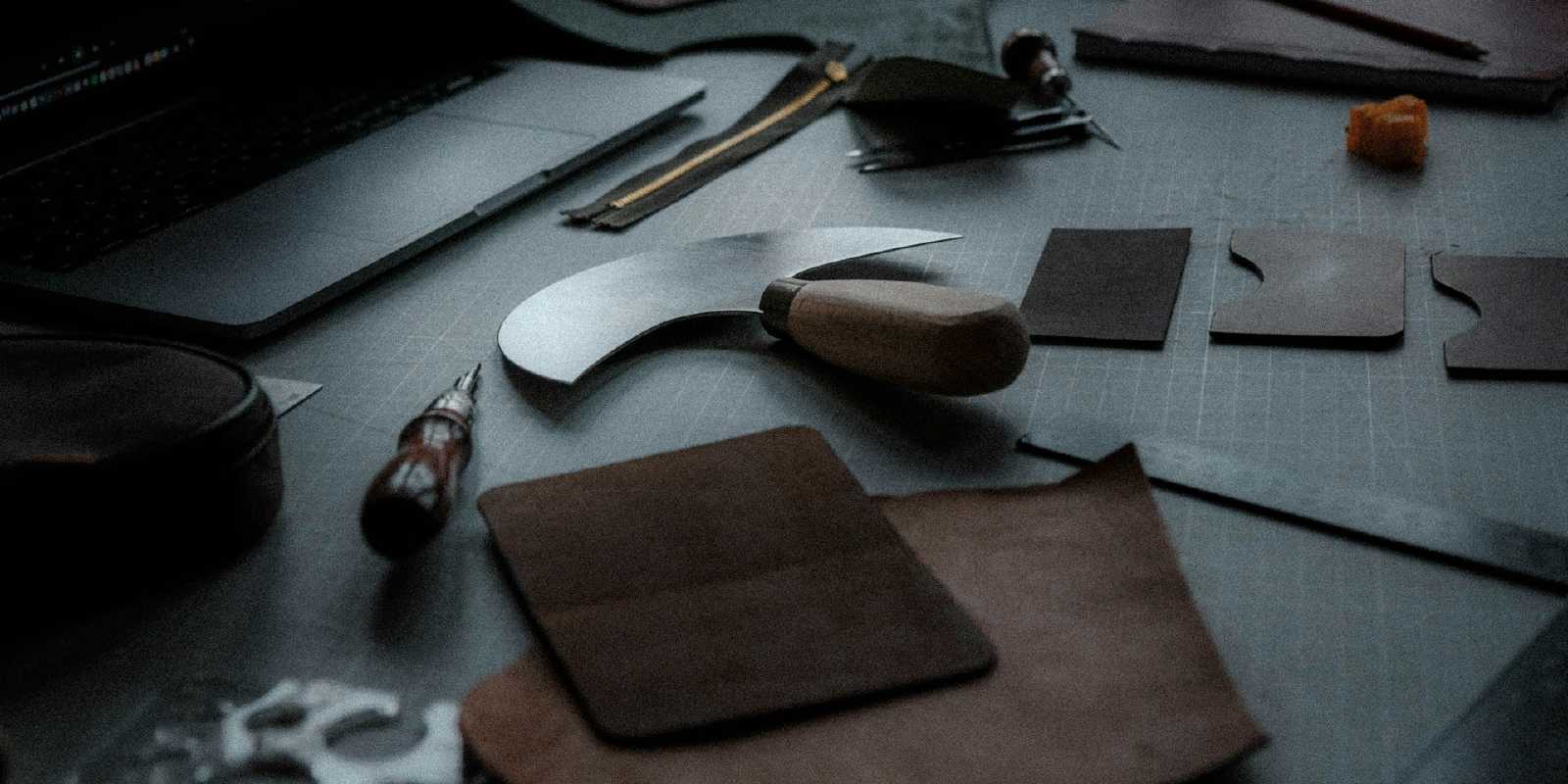
- Cutting and Shaping Tools: A small craft knife is essential for clean cuts. You might also find small cutlery from a travel set or specialized clay modeling tools useful for finer details.
Ultimately, your most important tools are patience and dexterity. Take your time and enjoy the process of bringing your vision to life.
Preparing Your Clay: Kneading and Mixing
Fresh out of the package, Fimo clay is firm. The first and most crucial step is to knead a piece in your hands until it becomes soft, warm, and pliable. This makes it much easier to shape and model.
This is also the perfect time to create custom colors. Fimo offers a wide range of hues that can be mixed just like paint. Knead two or more colors together until you achieve a uniform, new shade. For a more dynamic look, try marbling. To do this, twist and fold two colors together but stop before they are fully blended. When you roll this clay out, it will reveal stunning swirls and patterns, perfect for creating unique effects on blankets, ornaments, or clothing for your figures.
Project Idea: Crafting a Nativity Scene
A handmade nativity scene is a timeless Christmas decoration. Using Fimo, you can create a unique set that reflects your personal style.
Modeling the Baby Jesus
The central figure of the nativity is the Baby Jesus. Here’s a simple approach to modeling this important piece:
- The Manger: Start with a base color for the manger. A subtle grey Fimo mixed with a small amount of yellow can create a realistic straw-like effect. Shape this into a small, rustic crib.
- The Figure: For the baby, use a skin-toned clay. Shape a small, simple body and a round head. Add a tiny bump for a nose and indicate a mouth with a gentle impression from a tool. For the eyes, you can press in two tiny black seed beads or use minuscule specks of black Fimo. A small piece of yellow or brown Fimo can be shaped into a wisp of hair.
- The Blanket: Roll out a thin piece of clay for the blanket—a marbled brown is a great choice. Drape this over the body, letting a tiny foot peek out for a touch of realism.
- The Pose: Position the arms in a lively, outstretched manner, typical of an infant. This simple detail can give the figure a charming and lifelike appearance.
Expanding Your Scene: Angels and Animals
Once the central figure is complete, you can expand your scene with other characters.
- Angels: Using leftover Fimo, model a few small angels. Give them simple white wings and place miniature wind instruments made from yellow or gold clay in their hands, suggesting they are playing festive carols.
- Sheep: A few fluffy white sheep are a perfect addition. Roll a ball of white Fimo for the body and gently poke it with a toothpick to create a woolly texture. Add a small head and four tiny legs.
- Other Animals: Don’t be afraid to get creative! A polar bear, a fox, or other winter animals can add a unique touch to your nativity display.
More Creative Fimo Christmas Ideas
The possibilities with Fimo are nearly endless. If a full nativity scene feels too ambitious, here are a few other ideas to spark your creativity.
Creating Fimo Pictures and Ornaments
Fimo can be used to create three-dimensional pictures that make wonderful decorations or gifts. Find a festive image from a calendar or card to use as a background. Model your figures—like a snowman or a reindeer—directly onto the background paper placed on a baking sheet. The Fimo and paper can be baked together.
After baking, you can frame the picture. For a more dynamic effect, allow parts of your Fimo creation to extend beyond the frame’s edges. You can also turn these small creations into ornaments by piercing a small hole for a ribbon before baking.
Modeling Simple Christmas Figures
Creating a collection of simple figures is a fun way to spend an afternoon. Think of classic Christmas characters: polar bears, geese, kittens in santa hats, or even whimsical monsters.
When creating animals, focus on capturing their essence through posture and proportions rather than getting lost in tiny details. A polar bear, for example, only needs three colors: white for the body, black for the nose and eyes, and a touch of red for the tongue. The magic comes from shaping it into a realistic, lively pose. These figures can be used as shelf decorations, gift toppers, or parts of a larger winter village scene.
The Final Touches: Baking and Finishing
Once you’ve finished modeling, the final steps are to harden and finish your creations. This stage is critical for a durable and professional-looking result.
Baking Your Fimo Projects Safely
Baking is what transforms the soft clay into a hard, permanent plastic. It’s essential to follow the specific baking instructions on your Fimo packaging, as temperature and time can vary.
Safety is paramount during this step:
- Adult Supervision: Due to the oven temperatures and the materials involved, Fimo is not suitable for unsupervised use by young children.
- Ventilation: The baking process releases fumes. It is crucial to ventilate the room thoroughly during and after baking. If possible, use a dedicated craft oven, perhaps on a covered terrace or in a garage.
- Prevent Breakage: Place your pieces carefully on a baking sheet lined with parchment paper to prevent them from sticking or breaking.
Adding a Professional Finish
While many Fimo creations look fantastic right out of the oven, a coat of glaze can add a beautiful, protective shine. Use a fine brush to apply a Fimo-compatible colorless varnish. This not only enhances the colors but also adds a layer of durability to your treasured pieces.
After the festive season, simply pack your Fimo creations away carefully. They will be ready to bring joy and a personal, handmade touch to your home again next year.