Creating a Deep Cultivation Bed: Plant Once, Never Dig Again
 Sep 19, 2025
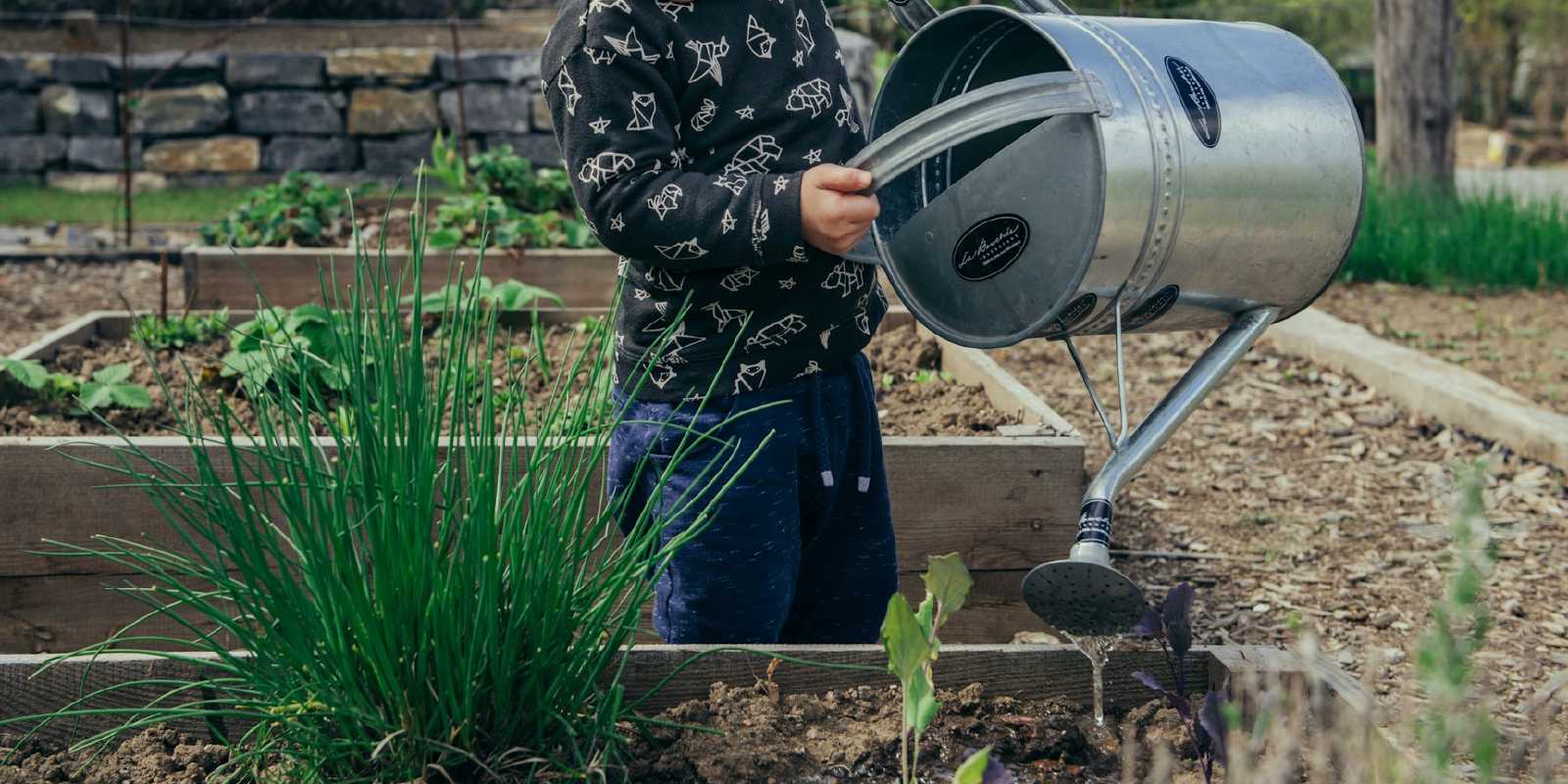
Creating a deep cultivation bed (Tiefkulturbeet) offers a method for gardening that aims to reduce the need for annual digging. These beds can be constructed as long as the ground is not frozen.
Planning and Design
- Layout: Determine the desired dimensions for your beds. A common recommendation for width is between 80 cm and 120 cm, allowing for comfortable access and cultivation from both sides. The depth of the bed is also crucial, with 50 cm being a suggested depth, enabling plants to access water from lower soil layers and potentially reducing the need for frequent watering. The orientation of the garden, ideally North-South, can optimize sunlight exposure for all plants.
- Scale Drawing: Create a scaled drawing of the garden area. Measure the space and plan the layout of beds and pathways. For instance, if a garden section is 4.7 meters, a 1:2 scale drawing would represent this as 9.4 cm. Individual beds and pathways can also be drawn to scale and cut out for visualization.
- Pathway Design: Consider the width of pathways to ensure ease of movement, especially with tools like wheelbarrows. A 50 cm pathway width is often adequate.
- Permanent Culture: Allocate specific beds for perennial plants like asparagus or Jerusalem artichokes, which will remain in place year after year. Other beds can be designated for annual or biennial crops such as carrots, lettuce, kohlrabi, and potatoes.
Construction and Filling
- Excavation: Dig the beds to the planned depth (e.g., 50 cm). The initial grass sod should be carefully removed and set aside for later use.
- Soil Sieving: Sift the excavated soil to remove large stones and debris. A sieve with a mesh size of approximately 1 cm is effective. This process breaks up compacted soil and improves its structure.
- Layering Material: Refill the excavated beds in layers:
- Start with a layer of organic material, such as well-rotted horse manure.
- Place the removed grass sod with the grassy side up.
- Add the sieved soil.
- Incorporate additional organic matter like compost, straw, or unprinted cardboard to enrich the soil.
- Finish with a layer of soil, creating a slight mound as the soil will settle over time.
Maintenance and Benefits
- Avoid Compaction: Never step on the finished beds to prevent soil compaction. In spring, only loosen the surface and remove weeds.
- Soil Improvement: The decomposition of organic materials over time creates a nutrient-rich, loose soil structure that can sustain plants for up to three years. This method eliminates the need for annual digging.
- Pathway Finishing: Lay paving stones for pathways, ensuring they are level. A weed barrier can be placed underneath. Uneven areas may require adjustment with sand or gravel.
Yield Potential
Deep cultivation beds are often cited as yielding significantly more produce compared to traditional gardening methods. This increased yield is attributed to the improved soil structure, enhanced root development, and better water retention. Plants can be planted more densely in a staggered pattern to maximize space utilization.