Cultivating and Growing Peppers
 Sep 19, 2025
How to Properly Cultivate and Grow Peppers
Peppers belong to the nightshade family and are one of the world’s oldest cultivated plants. This vitamin C-rich vegetable comes in many varieties, differing in shape, color, and spiciness, which is determined by the amount of capsaicin. Peppers can be grown in a garden, greenhouse, or on a balcony, but they all share a fundamental need for significant warmth and light.
Pepper Seeds
Seeds are widely available in garden centers and supermarkets. Alternatively, you can harvest seeds yourself from a fully ripened pepper. After extraction, let the seeds dry thoroughly in the sunlight before planting.
Sowing the Seeds
Begin sowing seeds indoors in early March.
- Fill a sowing container with about 5 cm of seed-starting mix.
- Plant the seed approximately 1 cm deep and cover it with soil.
- Place the container on a warm windowsill (south-facing is ideal), maintaining a room temperature between 22°C and 25°C.
- Keep the soil consistently moist but not waterlogged.
Repotting the Seedlings
About four weeks after sowing, the young plants are ready for repotting. By this time, they should have their cotyledons (seed leaves) plus another pair of true leaves and be 8-10 cm tall.
Carefully transfer the seedling with its root ball into a separate, larger pot. Use a small bamboo or plastic stick for support. Choose a bright, warm location, though the temperature can now be a few degrees cooler.
Planting Out
- In a Greenhouse: Young plants can be moved to a greenhouse at the end of April.
- On a Balcony/Terrace or in the Garden: Wait until after the last frost, which is typically around mid-to-late May.
For balcony or terrace cultivation, plant the seedling in a large pot and place it in a sunny, rain-protected spot.
For garden cultivation, loosen the root ball and plant it deep in the soil. The ideal soil is loose and rich in humus; enrich it with compost beforehand if possible. Space plants approximately 50 cm apart. Peppers thrive near cucumbers and eggplants due to similar growing requirements.
Tips for a Successful Harvest
- Pinch off the ‘King Flower’: To encourage a higher yield, remove the first flower that forms at the fork between the main stem and the first side shoot.
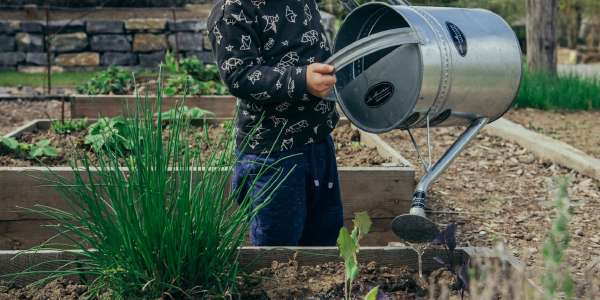
- Watering: Peppers have a high water demand and may require daily watering during dry spells.
- Fertilizing: Apply a liquid fertilizer every 14 days to support vigorous growth and fruit production.