
How to Get Rid of Slugs in Your Garden: A Complete Guide
 Nov 29, 2025
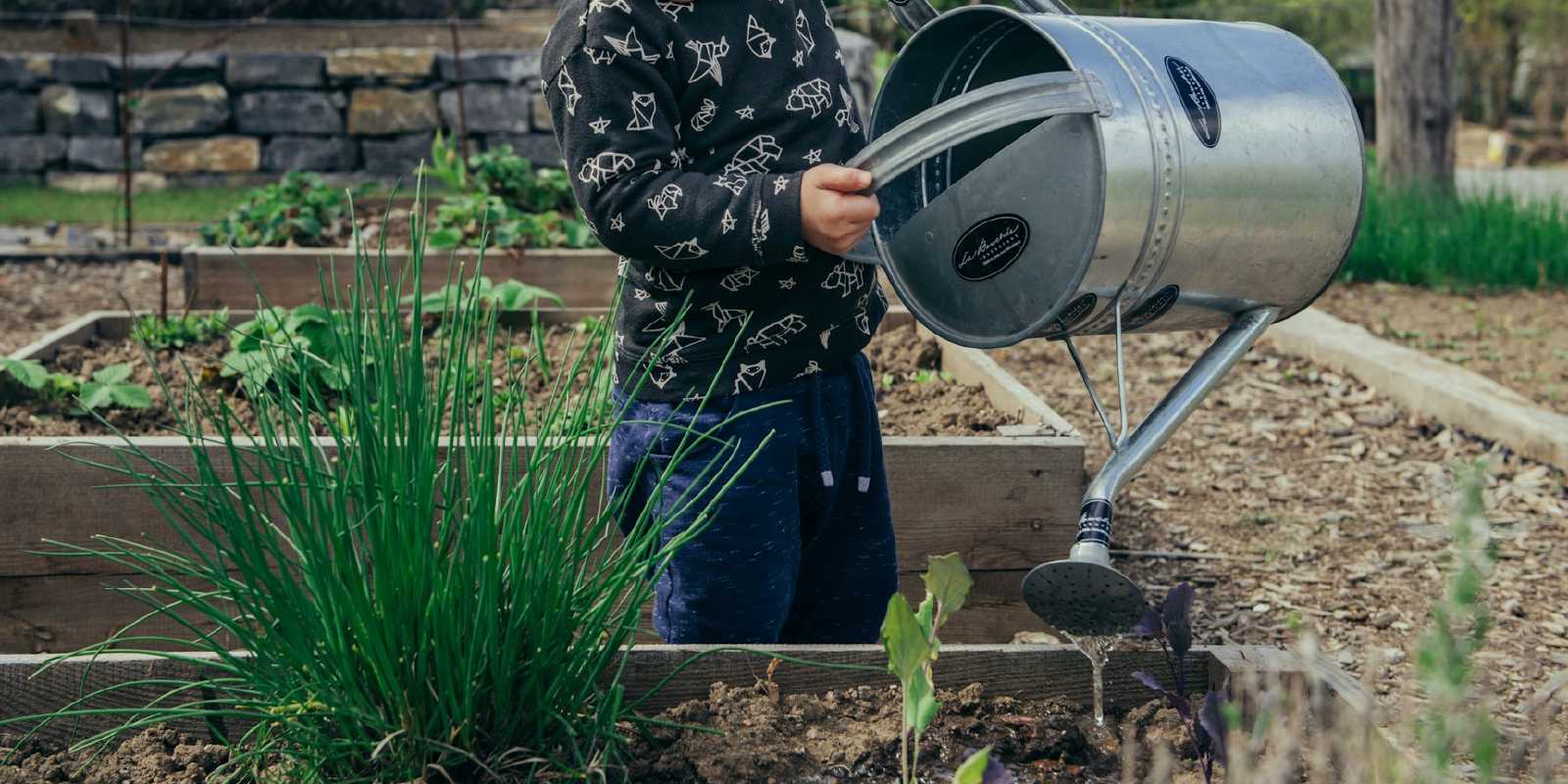
There are few sights more disheartening for a gardener than discovering a trail of silvery slime across a path, leading to rows of tender seedlings nibbled down to their stems. Slugs, with their voracious appetites, are a persistent nuisance capable of decimating everything from leafy greens like lettuce to delicate flowers like hostas.
While the battle against these slimy invaders can feel endless, a well-rounded strategy can protect your garden and keep their populations in check. This guide will walk you through the most effective methods for slug control, from simple DIY traps to long-term garden management, helping you choose the best approach for your space.
Understanding Your Adversary: Slug Behavior 101
To effectively control slugs, you first need to think like one. Slugs are mollusks that thrive in cool, damp, and dark environments. Understanding their habits is the key to making any control method more successful.
- They are nocturnal: Slugs do most of their damage at night, emerging from their hiding spots after the sun goes down to feast on your plants. This is why a morning garden inspection often reveals damage without a culprit in sight.
- They love moisture: Dry, sunny conditions are lethal to slugs, as they can easily dehydrate. They are most active on overcast days, after rainfall, or in the early morning dew.
- They need shelter: During the day, slugs seek refuge from the sun under rocks, mulch, fallen leaves, pots, and low-lying foliage.
Knowing this, the best time for a “slug hunt” is always in the evening or just after it rains, when they are most active and visible.
Direct Intervention: Popular Slug Control Methods
When you have an active infestation, you need immediate solutions. Here’s a breakdown of the most common methods, including their pros and cons.
Method 1: The Classic Beer Trap
This age-old trick is popular for a reason: it works by luring slugs to their demise.
How It Works: Slugs are irresistibly attracted to the scent of fermenting yeast in beer. By setting a simple trap, you can draw them away from your plants.
- Prepare the Trap: Take a shallow container, like a yogurt cup, tuna can, or small bowl.
- Bury It: Dig a small hole and bury the container in the soil so the rim is level with or just slightly above the ground.
- Add the Bait: Fill the container about halfway with beer. Any cheap beer will do; they aren’t picky.
The slugs will follow the scent, crawl into the container, and drown.
- Pros: Easy to set up, uses a common household item, and is free of harsh chemicals.
- Cons: Can be too effective at attracting slugs, potentially luring them in from neighboring gardens and concentrating the problem in one area. The traps also need to be emptied and refilled every few days, especially after rain, which can be a messy task.
Method 2: The Dish Soap Solution (Manual Removal)
For a more direct and targeted approach, manually collecting slugs is highly effective. This method provides a quick and clean way to dispose of them.
How It Works: This technique involves hand-picking slugs and dropping them into a bucket of soapy water. The soap breaks the surface tension of the water and is lethal to slugs, ensuring they perish quickly.
What You’ll Need:
- A bucket
- Warm water
- A few squirts of standard dish soap
- Tongs or gloves
Instructions:
- Fill the bucket with warm water and add the dish soap.
- Head out to the garden during peak slug activity (evening or after rain).
- Using tongs or gloved hands, pick up every slug you can find. Check under the leaves of vulnerable plants, along the edges of garden beds, and near any potential hiding spots.
- Drop the collected slugs directly into the soapy water.
- Once your hunt is complete, you can dispose of the bucket’s contents in a compost pile away from your main garden or at the edge of your property.
- Pros: Extremely effective, immediate results, inexpensive, and targets only the slugs you remove.
- Cons: Requires you to actively hunt for slugs, which some people may find unpleasant. It’s most effective in smaller gardens where you can reasonably cover the entire area.
Method 3: Chemical Controls (Slug Pellets)
Commercial slug pellets, often containing metaldehyde or iron phosphate, are a common option found in garden centers.
How They Work: The pellets are scattered around vulnerable plants. Slugs consume the bait and die.
- Pros: Convenient and requires very little effort.
- Cons: Traditional metaldehyde-based pellets are highly toxic and pose a significant risk to pets, birds, and other wildlife. Even “pet-safe” iron phosphate versions can be harmful if consumed in large quantities. Furthermore, these chemicals can disrupt the delicate balance of your garden’s ecosystem. Due to these risks, chemical pellets should be considered a last resort and used with extreme caution.
Proactive Defense: Creating a Slug-Resistant Garden
The best long-term solution is to make your garden less hospitable to slugs in the first place. A few strategic changes can dramatically reduce their numbers over time.
Adjust Your Watering Schedule
Since slugs thrive in moist conditions, how and when you water matters. Water your garden in the early morning rather than the evening. This gives the soil surface and plant foliage time to dry out before nightfall, creating a less inviting environment for nocturnal slugs.
Tidy Up and Eliminate Hiding Spots
Reduce the number of places where slugs can hide from the sun. Regularly clear away fallen leaves, old mulch, and garden debris. Keep weeds under control and consider lifting pots and containers onto stands to eliminate the damp, dark shelter they provide underneath.
Use Physical Barriers
Create barriers that slugs are unwilling or unable to cross to protect specific plants or beds.
- Copper Tape: Slugs get a small, unpleasant electric shock when they come into contact with copper. Applying self-adhesive copper tape around the rims of pots and raised beds can be an effective deterrent.
- Abrasive Materials: Slugs dislike crawling over sharp, scratchy surfaces. A border of crushed eggshells, diatomaceous earth (use food-grade), or coarse sand around vulnerable plants can discourage them. Note that these barriers lose effectiveness when wet and need to be reapplied regularly.
Choosing the Right Slug Control Method for You
There is no single perfect solution for slug control. The best strategy often involves a combination of methods tailored to your garden and comfort level.
- For immediate infestations: Manual removal with the dish soap solution is the most targeted and effective method.
- For passive, low-maintenance control: Beer traps are a good option, provided you are diligent about maintaining them.
- For long-term prevention: Focus on creating a slug-resistant environment by adjusting your watering habits and keeping your garden tidy.
- For targeted protection: Use physical barriers like copper tape to defend high-value plants in pots or raised beds.
By combining direct intervention with proactive garden management, you can protect your precious plants and win the war against slugs, ensuring your hard work results in a beautiful, thriving garden.