How to Make Kokedama Moss Balls Yourself
 Nov 16, 2025
Kokedama, or moss balls planted with small plants, are a traditional Japanese decorative item often hung in windows. They also serve as an original, cost-effective, and easily self-made table decoration for celebrations and weddings. As a sustainable alternative to quickly wilting flowers, these moss balls are a beautiful gift, as the plants continue to grow within them.
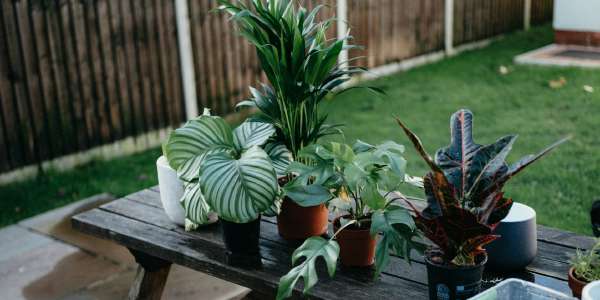
Kokedama translates to ‘moss ball’ and is commonly used with bonsai trees. However, other small, low-maintenance plants that require little water, such as ivy, grasses, ferns, and succulents, can also be planted in a moss ball. Even spring bulbs like tulips, daffodils, and hyacinths can grow and bloom within these balls.
Required Materials
- Moss
- Plant with roots or a bulb
- Soil
- Thin floral wire
- Scissors
- Embroidery needle and thread
How to Make Japanese Kokedama Moss Balls
Step 1: Form the Plant’s Roots into a Soil Ball
Carefully remove the chosen plant from its pot or garden soil, keeping some soil attached to the roots. Mix this soil with a little water to form a small ball around the plant’s roots.
Step 2: Press Damp Moss Around the Soil Ball
Wrap damp moss around the soil ball containing the roots, forming it into a compact sphere. If the moss is dry, moisten it under running water. Remove any brown parts of the moss. Firmly press the moss around the soil ball with both hands, squeezing out excess water. This is best done over a sink.
Step 4: Wrap the Moss Ball with Thin Wire
Once the ball has a pleasing shape, wrap it with thin floral wire or thread to help it maintain its form. The finished Kokedama can then be placed on a table. As a short-term table decoration, it can be placed directly on a tablecloth or glass shelves without needing a base. If placing on sensitive surfaces, use a protective base. Arranging multiple Kokedama on a tray creates an attractive display.
Step 5: Creating a Hanging Mechanism
Traditionally, Kokedama are hung. To do this, thread a string through the moss ball from top to bottom using an embroidery needle with a large eye. Secure the string at the bottom with a double knot. The Kokedama can now be hung.
Step 6: Watering
Kokedama are low-maintenance but require regular watering to stay healthy and attractive. Spray the ball with water using a mister several times a week. Alternatively, when the ball feels very light and dry, submerge it in a shallow dish of water or under running water in a sink, then gently squeeze out any excess liquid.