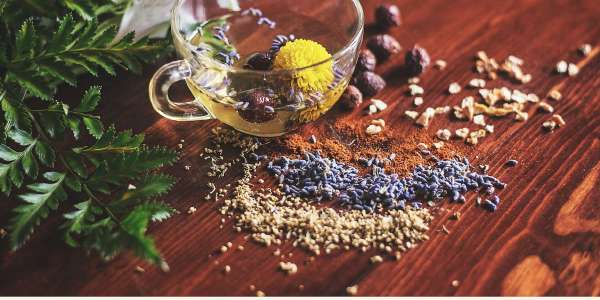
Medicinal Plants in Meadows and Roadsides
 Oct 16, 2025

For millennia, humans relied on the plants growing around them to address health concerns, often navigating a blend of superstition and actual efficacy. While much of this traditional knowledge was once forgotten, modern science is increasingly re-examining the healing properties of native wild plants, confirming the wisdom of our ancestors.
Many common plants possess medicinal qualities. Notable examples include dandelion, comfrey, the humble daisy, plantain (often considered a lawn weed), and stinging nettle.
Dandelion: More Than Just a Weed
Dandelion is beneficial for digestive and excretory functions. Its bitter compounds stimulate digestive glands, increasing stomach acid secretion and bile production. It also acts as an appetite stimulant and antispasmodic. The plant’s diuretic effect, indicated by its French name ‘pissenlit’ (wet the bed), is notable. Due to its high potassium content, it does not lead to mineral depletion, unlike some synthetic diuretics. Dandelion’s stem sap, with its antibacterial and anti-inflammatory properties, can be applied externally to minor injuries or insect bites.
Preparation:
- Tea: Dried dandelion leaves can be used for tea.
- Root Tea: For a more potent tea, harvest roots in spring before flowering. Clean, slice, air-dry for several days, then steep two teaspoons in cold water overnight. Briefly boil the next morning, strain, and drink.
- Salad: Young dandelion leaves can be consumed as a salad, offering significantly higher levels of Vitamins A and C, Vitamin E, calcium, magnesium, and iron compared to common lettuce.
Comfrey: Beneficial for Limbs
Comfrey, characterized by its large, pointed leaves and blue bell-shaped flowers, grows along pathways. Historically, it has been used for leg ailments, including bone fractures, sprains, and joint discomfort, as documented by Dioscorides in the 1st century AD. While fractures now require medical attention, comfrey can be used for milder issues through compresses or ointments. Dried comfrey roots can be processed into an ointment with petroleum jelly and applied to sore areas. Internal consumption of comfrey is not recommended due to the presence of harmful alkaloids, particularly in the root.
Daisy: A Natural Expectorant
Daisies contain saponins, which act as expectorants, making them effective in relieving coughs. Daisies can be consumed as a tea, with one to two teaspoons brewed for a cup, consumed two to three times daily. Alternatively, a tincture can be prepared by steeping abundant daisies in clear alcohol (like schnapps) for two to six weeks. Strain into a dark bottle and take 10 to 50 drops one to three times daily for cough relief. The tincture can also be used for external application on bruises and sprains. Daisies are also reputed to help with headaches, menstrual cramps, insomnia, and dizziness.
Plantain: The Lung Healer
Plantain, often seen as a lawn weed, possesses expectorant, soothing, anti-inflammatory, and antibacterial properties. For coughs, a tea can be made from dried leaves, or fresh leaves can be juiced. Plantain is also useful for minor outdoor injuries, insect stings, or contact with nettles. Chewing a few plantain leaves and applying them to the affected area, covered with a fresh leaf, can provide relief.
Stinging Nettle: Beneficial for People and Plants
Stinging nettle offers benefits for conditions such as osteoarthritis, arthritis, prostate issues, and bladder problems. It also serves as a natural fertilizer and pesticide in gardens and is rich in vitamins. Nettle tea is a primary remedy for urinary tract infections and prostate conditions, promoting urination and helping to prevent bladder and kidney stones. Nettle can also be used for skin cleansing; the tea can be applied as a facial toner.
Due to its high alkaline content, nettles can also alleviate muscle and joint pain. Studies have shown that regular consumption of steamed nettles can reduce the need for pain medication. Young nettle leaves, harvested with gloves and blanched briefly in hot water to neutralize their sting, can be cooked and used like spinach or incorporated into dishes like risotto. They are also highly nutritious and iron-rich.
Nettle Manure (Jauche) as Fertilizer & Pesticide:
Nettle manure is a valuable resource for organic gardeners, acting as a fertilizer, pesticide, and plant immune booster. To prepare, fill a bucket with nettles, cover with water, and let it ferment in the sun for at least two weeks, stirring daily. Once fermentation is complete (no more bubbles), it can be used: undiluted as a pest spray on leaves, or diluted as a fertilizer (1 part manure to 20 parts water for young plants, 1:10 for mature plants). Due to its strong odor, it is advisable to prepare nettle manure away from living spaces.