The Ultimate Guide to Cleaning Appliances with Citric Acid
 Nov 28, 2025
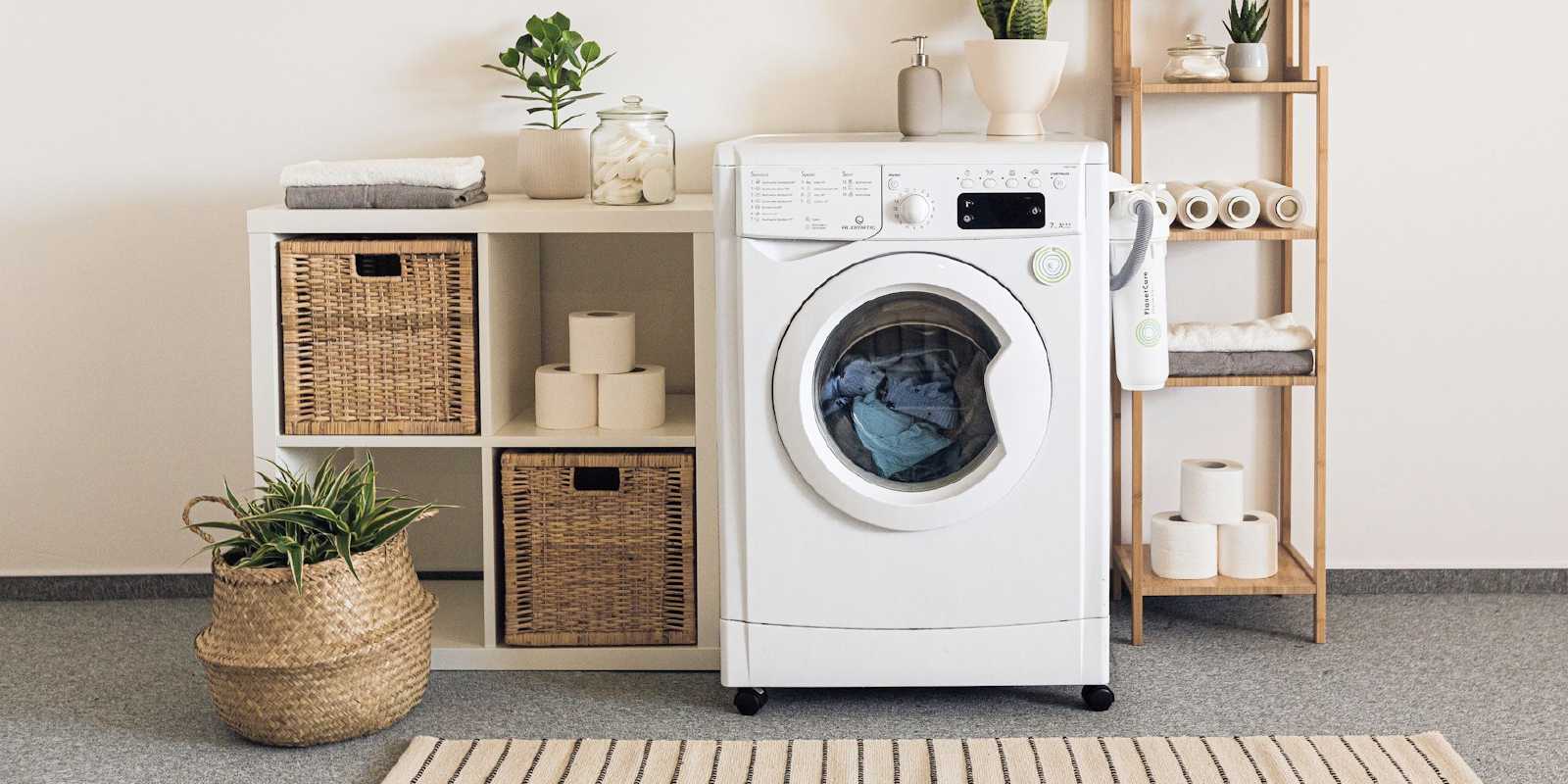
Your household appliances work hard every day, from brewing your morning coffee to keeping your clothes fresh. Over time, however, mineral deposits from hard water (limescale) and residue can build up, hurting performance and efficiency. While many cleaning solutions exist, one simple, powerful, and food-safe ingredient stands out: citric acid.
This comprehensive guide will show you why citric acid is the ultimate weapon in your appliance maintenance arsenal and provide step-by-step instructions for deep cleaning your washing machine and coffee maker, ensuring they run like new for years to come.
Why Citric Acid is Your Best Choice for Appliance Cleaning
Citric acid is a weak organic acid naturally found in citrus fruits like lemons and limes. Sold as a crystalline powder, it’s a non-toxic, biodegradable, and incredibly effective cleaning agent. Its primary superpower is its ability to chelate, or bind to, minerals like calcium and magnesium, making it a phenomenal descaler.
Citric Acid vs. Vinegar: The Safer Choice
You may have heard that white vinegar is a good descaler. While it can work, it comes with a significant risk. Vinegar contains acetic acid, which can be aggressive and degrade the rubber seals, gaskets, and hoses inside your appliances over time. This damage can lead to leaks and costly repairs, particularly in washing machines.
Citric acid, on the other hand, provides the same powerful descaling and cleaning action without being harmful to these sensitive internal components. It’s gentle on your machine’s parts but tough on grime and limescale, making it the superior and safer option for routine maintenance.
How to Deep Clean Your Washing Machine with Citric Acid
A clean washing machine means cleaner clothes and a longer lifespan for your appliance. Mineral buildup can clog water inlets and leave residue on your laundry, while soap scum can create musty odors. A regular cleaning cycle with citric acid eliminates both problems.
What You’ll Need
- 1 cup (approx. 200g) of citric acid powder
- A clean microfiber cloth
Step-by-Step Instructions
- Empty the Machine: Ensure your washing machine drum is completely empty of any clothing or laundry bags.
- Add Citric Acid: Pour the cup of citric acid powder directly into the empty drum. Do not add it to the detergent dispenser, as you want it to work inside the main tub.
- Run a Hot Cycle: Select the hottest and longest cycle available on your machine. This is often called a “Tub Clean,” “Maintenance Wash,” or a heavy-duty cottons cycle (aim for 60-90°C or 140-195°F). Do not add any detergent or other cleaning agents.
- Wipe It Down: Once the cycle has finished, use a damp microfiber cloth to wipe the inside of the door, the rubber gasket (gently pulling back the folds to clean inside), and the interior of the drum. You’ll be surprised at the gunk this process loosens.
For best results, perform this cleaning routine every one to three months, depending on your water hardness and how frequently you do laundry.
Reviving Your Coffee Machine with Citric Acid
Is your coffee tasting bitter or taking longer than usual to brew? Limescale and coffee oil residue are likely the culprits. Citric acid effortlessly dissolves these deposits, restoring your machine’s performance and improving the taste of your coffee.
Method 1: Descaling Internal Components
This method is perfect for flushing the internal pipes and heating elements of drip coffee makers, single-serve pod machines, and espresso machines with water reservoirs.
- Create the Solution: Fill your machine’s water reservoir to its maximum capacity with fresh water. Add 1-2 tablespoons of citric acid powder for every liter (or quart) of water and stir until it’s completely dissolved.
- Run a Brew Cycle: Place an empty carafe or a large cup under the dispenser. Run a full brew cycle with the citric acid solution. For pod-style machines, you may need to run several cycles until the reservoir is empty.
- Discard and Dwell (Optional): Once the cycle is complete, discard the hot solution. For heavily scaled machines, you can let the solution sit in the carafe for 20-30 minutes to dissolve any stubborn stains there as well.
- Rinse Thoroughly: To ensure no acidic taste remains, rinse the reservoir and fill it with fresh, clean water. Run two to three full cycles using only water. This will completely flush the system of any remaining citric acid.
Method 2: Cleaning Surfaces with a Paste
For stubborn coffee stains on carafes, filter baskets, and other removable parts, a targeted paste works wonders.
- Prepare the Paste: In a small bowl, mix a few tablespoons of citric acid with a small amount of water until you have a thick paste.
- Apply and Wait: Using a clean paintbrush or a soft cloth, apply the paste to the stained interior surfaces of your carafe or other components. Let the mixture sit for 30 minutes.
- Scrub and Rinse: Gently scrub the areas with a non-abrasive sponge or brush. Rinse all parts thoroughly with hot water two or three times to remove all residue. Your components will be sparkling clean.
A Final Word on Appliance Care
Before cleaning any appliance, it’s always wise to consult your manufacturer’s manual for specific recommendations or warnings. However, for general-purpose descaling and cleaning, citric acid is an invaluable, eco-friendly tool.
By incorporating these simple cleaning routines into your home maintenance schedule, you can combat limescale and residue effectively. Regular cleaning with citric acid not only improves the performance and efficiency of your appliances but also extends their lifespan, saving you money and frustration in the long run.