
The Ultimate Guide to DIY Car Maintenance and Winter Prep
 Nov 30, 2025
Car ownership involves more than just driving; it’s a commitment to regular maintenance and care. While major repairs should be left to the professionals, there’s a vast world of simple, effective do-it-yourself hacks that can save you time, money, and unexpected headaches. From preparing your vehicle for the harshest winter weather to solving common everyday annoyances, these tips empower you to take better care of your car.
This comprehensive guide synthesizes years of practical wisdom into actionable steps for every car owner. We’ll cover everything from preventing icy windshields and foggy windows to performing simple repairs and making smarter decisions about professional servicing. Get ready to become a more confident and capable car owner.
Conquering the Cold: Your Essential Winter Car Care Checklist
Winter presents a unique set of challenges for any vehicle. Low temperatures, moisture, and ice can wreak havoc on everything from your windows to your door seals. These proactive tips will help you stay ahead of the cold and ensure your car is ready for whatever winter throws at it.
The Science of Winter Moisture: Condensation Explained
Have you ever wondered why you can see your breath in the winter? The same principle is at work inside your car, causing foggy and frosted windows. Your respiratory system naturally warms and humidifies the air you breathe. When you exhale this warm, moist air into a cold car, the colder air can’t hold as much moisture. This forces the water vapor to condense into tiny liquid droplets, creating the “cloud” of your breath or the fog on your windshield. If the glass surface is below freezing, these droplets freeze on contact, forming a layer of ice on the inside of your windows. Understanding this process is the key to defeating interior frost and fog.
Battling Frost and Ice on Windows and Mirrors
Waking up to an iced-over car is a frustrating start to any day. Scraping ice is a chore, but with a little foresight, you can minimize or even eliminate it.
Preventing Interior Window Frost:
- Ventilate Before You Park: The most effective way to prevent interior frost is to reduce the moisture inside your car. Just before you reach your destination, turn off the heat and open the windows for a minute or two. This exchanges the warm, humid air inside with the colder, drier air outside, leaving less moisture to condense overnight.
- The Newspaper Trick: For persistent moisture problems, place a few sheets of newspaper on your dashboard and under your floor mats in the evening. Newspaper is highly absorbent and will pull excess humidity from the air, keeping your windows clearer by morning. Just remember to replace the paper regularly, as it loses its effectiveness once saturated.
- The Hot Water Bottle Method: For a targeted approach, place a securely sealed hot water bottle on your dashboard when you park for the night. The gentle heat it radiates is often enough to keep the windshield’s surface temperature above freezing, preventing ice from forming.
Keeping Exterior Mirrors Ice-Free:
Don’t neglect your side mirrors. A clear view is critical for safety.
- Use Old Socks: A surprisingly effective trick is to cover your side mirrors with old socks overnight. Pull a sock over each mirror. The fabric acts as a barrier, preventing frost and ice from forming directly on the glass. In the morning, simply pull them off for instantly clear mirrors. If the sock’s elastic is too tight for your mirror, a small snip can help it fit.
Winning the War on Interior Fog
Foggy windows aren’t just a winter problem, but they are most prevalent in cold, damp weather. Beyond the ventilation trick, here are more ways to maintain clear visibility.
A Proactive Anti-Fog Treatment:
A simple homemade spray can prevent fog from forming for weeks at a time. The goal is to reduce the surface tension of the glass, causing condensation to form a transparent film rather than vision-obscuring droplets.
- Find a small, clean spray bottle (around 100 ml).
- Fill it with water and add about 5 ml of a car window washer concentrate. Important: Do not use household detergents like dish soap, as their additives can leave stubborn, greasy streaks on your windows.
- Lightly mist the solution onto the inside of your windows.
- Wipe the surface with a coarse, non-absorbent cloth until it’s clear and evenly coated. This treatment should last for two to three weeks.
DIY Reusable Dehumidifiers:
For a long-term solution to interior moisture, you can create your own powerful, reusable dehumidifier pads. These work just like the silica gel packets you find in new electronics, but on a much larger scale.
Materials Needed:
- Silica crystals (often sold as silica cat litter)
- A sturdy, tightly woven cotton fabric (like old bed linen)
- Sewing machine and thread
Construction Steps:
- Cut the Fabric: Cut two identical strips of fabric, roughly 60 cm long and 25 cm wide.
- Sew the Pouch: Fold one strip in half lengthwise with the “good” sides facing each other. Sew along the open long edge and one short edge to create a pouch.
- Fill and Divide: Turn the pouch right-side out. Fill it about halfway with silica crystals. To prevent the crystals from shifting, sew a seam across the middle of the pouch, creating two separate compartments.
- Seal It Up: Fill the second compartment with an equal amount of silica. Fold the open edges inward and sew it shut. Your dehumidifier pad is now complete.
Usage and Regeneration: Place the long, flexible pad on your dashboard or under a seat. When it becomes saturated with moisture, you can easily “recharge” it. Simply place the pad on a warm radiator or in a low-temperature oven until it’s completely dry and ready to be used again. Making two allows you to rotate them, ensuring your car stays dry all winter.
DIY Winter Fluids and Seal Care
Commercial products can be expensive, but you can create your own effective winter solutions at home.
Homemade Windshield Washer Antifreeze:
This simple mixture is frost-resistant down to approximately -35°C (-31°F) and has excellent cleaning properties.
Ingredients:
- 1 Liter of denatured alcohol (also known as methylated spirits)
- 1 cup of water
- 2 tablespoons of liquid dish soap
Instructions: Carefully combine all ingredients in a clean container and mix well before adding the solution to your car’s washer fluid reservoir.
Eco-Friendly Washer Fluid Source:
If you have a condenser clothes dryer, you have a free source of excellent washer fluid base. The condensate water collected by the dryer is demineralized (lime-free), which prevents nozzle clogs and spots on your glass. Simply collect this water and mix it with a glass cleaner or a winter additive for a ready-to-use, streak-free fluid.
Protecting Your Rubber Seals:
In freezing temperatures, moisture can cause your car doors to freeze shut. To prevent this, you need to treat the rubber seals around the doors and trunk.
- Clean: First, wipe down the rubber seals to remove any dirt or debris.
- Lubricate: Take an old stick of lip balm and rub it generously along all the dry rubber seals. The waxy, moisturizing ingredients create a water-repellent barrier.
- Distribute: Use a soft cotton cloth to gently rub the balm into the seals, ensuring even coverage. This simple act keeps the rubber supple and prevents it from sticking to the car’s metal frame.
Year-Round DIY Maintenance and Smart Repairs
Good car care isn’t just for winter. These tips will help you address common issues, prepare for emergencies, and make routine tasks much simpler.
Simple Fixes for Common Annoyances
Restoring Sluggish Seatbelts:
Over time, dirt and friction can cause seatbelts to retract slowly or get stuck. Don’t replace the mechanism; restore it.
- Fully extend the seatbelt until it stops.
- Lightly spray both sides of the belt webbing with a silicone spray or a cockpit spray. These lubricants are safe for fabrics and plastics.
- Work the belt back and forth a few times to distribute the spray. You’ll find it retracts smoothly and quickly again.
Protecting Your Ignition from Heavy Keychains:
That large, heavy collection of keys and accessories hanging from your car key might look impressive, but it’s slowly destroying your ignition lock.
- The Problem: The weight of a heavy keychain puts constant downward pressure on the delicate tumblers inside the ignition cylinder. As you drive, the swinging motion accelerates this wear and tear, eventually leading to a worn-out ignition that can be difficult to turn or even fail completely.
- The Solution: Use a small carabiner or quick-release clip to attach your car key to the main keychain. Before starting the car, simply detach the single car key and insert it into the ignition. This tiny change in habit can save you from a costly ignition replacement down the road.
Emergency Roadside Solutions
The Improvised V-Belt:
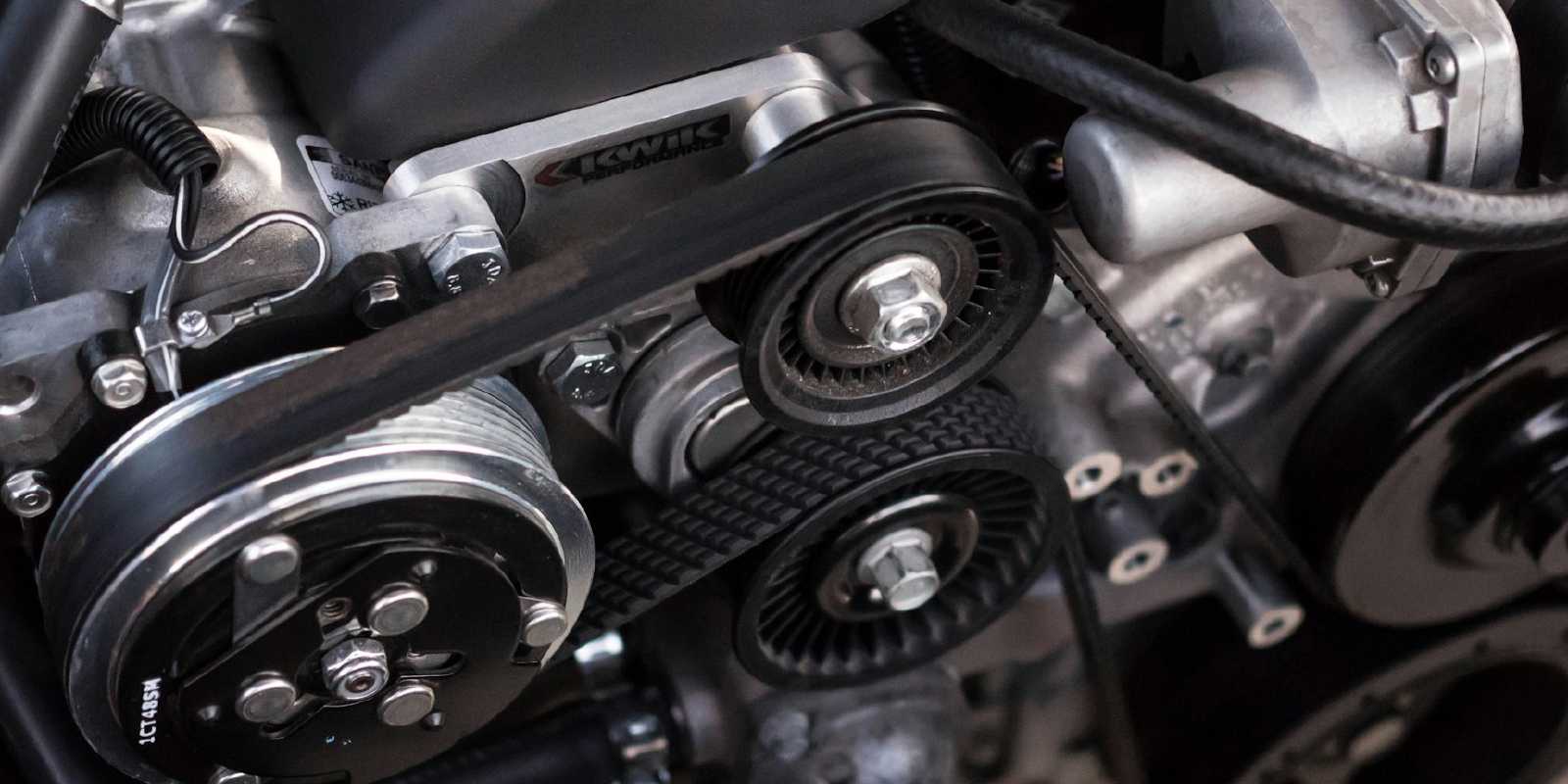
If you drive an older vehicle, the V-belt (or serpentine belt) powers critical components like the alternator, water pump, and cooling fan. If it snaps, your car will quickly overheat and die. If you’re stranded without a spare, a simple pair of nylon stockings can be a lifesaver.
- Ask a passenger for a pair of nylon stockings.
- Stretch the stocking material taut and carefully wrap it around the pulleys where the V-belt used to be.
- Tie it off securely. This makeshift belt is surprisingly strong and can provide enough power to run essential components, allowing you to drive slowly to the nearest service station. This is strictly a temporary, last-resort fix to get you out of a dangerous situation.
Making Seasonal Tasks Easier
Preventing Seized Wheels During Tire Changes:
Have you ever struggled to pull a wheel off its hub, even after removing all the lug nuts? This is caused by corrosion and rust “welding” the wheel to the hub.
- The Fix: The next time you have your wheels off for a tire rotation or seasonal changeover, take a moment for preventative maintenance. Lightly spray the surface of the hub (the part that makes contact with the center of the wheel) with a silicone spray. This creates a thin, protective barrier that prevents rust and ensures the wheel will come off easily next time. Avoid using heavy copper-based anti-seize compounds unless specified by your manufacturer, as they can sometimes interfere with certain alloys.
Clever Hacks for Smarter Car Ownership
Beyond maintenance, a few clever strategies can improve your daily driving experience and save you significant money on professional services.
Perfect Parking Every Time
Parking perfectly in a tight garage can be stressful. You can eliminate the guesswork with this simple, foolproof system.
- Position Your Car: The first time, park your car in the absolute perfect position in your garage.
- Hang the Guide: Attach a long string to a tennis ball.
- Set the Marker: Fasten the other end of the string to the garage ceiling so that the tennis ball hangs down and just touches your windshield, directly in your line of sight from the driver’s seat.
- Park with Precision: From now on, simply drive into the garage until the tennis ball touches its designated spot on your windshield. You’ll be parked in the exact same perfect location every single time.
Saving Money on Inspections and Repairs
When your vehicle is due for a mandatory safety or emissions inspection, your choice of where to get it done can have major financial implications.
- The Workshop Conflict of Interest: Many repair shops offer to perform the inspection for you. While convenient, this can create a conflict of interest. A shop might be tempted to identify “necessary” repairs to ensure you pass, potentially charging you for work that isn’t strictly required.
- The Smarter Approach: Whenever possible, take your vehicle to an independent, official state-run or state-authorized inspection center first. These facilities have no financial stake in finding problems; their only job is to provide an objective assessment.
- Take Control: If your car fails the inspection, the center will provide you with a detailed list of the specific issues that need to be fixed. You can then take this list to any trusted mechanic and ask for quotes only for the required repairs. This approach prevents unnecessary upselling and can save you hundreds of dollars, even if you have to pay a small fee for a re-inspection.
Bonus DIY Project: Stay Warm on the Go
After all that hard work on your car in the cold, you deserve a little warmth. This reusable hand warmer is incredibly easy to make and perfect for keeping in your pocket on a chilly day.
How to Make a Reusable Hand Warmer
Materials Needed:
- An old, clean sock (without holes)
- A hair tie or sturdy string
- About 1 cup of uncooked rice (or alternatives like cherry pits, flaxseed, or other whole grains)
Instructions:
- Pour the rice into the sock, filling it about halfway.
- Securely tie off the open end of the sock with the hair tie, ensuring no rice can escape.
- Place the rice-filled sock in the microwave and heat it on medium power (around 600 watts) for 1-2 minutes. Be careful, as it will be very hot.
Your homemade hand warmer is now ready. The rice will retain heat for a surprisingly long time, providing gentle, portable warmth wherever you go.
By embracing these simple DIY solutions, you not only save money but also gain a deeper understanding of your vehicle. You’ll be better prepared for seasonal challenges, more confident in handling minor issues, and a smarter consumer when it comes to professional repairs.