The Ultimate Guide to Getting Rid of Aphids on Plants
 Nov 29, 2025
Finding a cluster of tiny insects on the new growth of your prized plants can be disheartening. These pests, known as aphids, can multiply with alarming speed, damaging plants and hindering blooms. But don’t despair—controlling an aphid infestation is entirely manageable.
This comprehensive guide will walk you through four effective methods, from gentle manual techniques and natural predators to powerful DIY sprays, helping you reclaim your garden and ensure your plants thrive.
Understanding the Enemy: What Are Aphids?
Aphids are small, soft-bodied insects that feed by sucking the nutrient-rich sap from plants. They often cluster on new shoots, the undersides of leaves, and flower buds. While a few aphids are not a major threat, their ability to reproduce rapidly—especially during periods of increased rain—can lead to a full-blown infestation. A large population can cause leaves to yellow and curl, stunt plant growth, and leave behind a sticky residue called “honeydew,” which can lead to sooty mold.
Fortunately, you have a powerful arsenal of techniques at your disposal.
A Four-Pronged Attack on Aphids
The most successful pest management strategies often involve a combination of methods. We’ll explore four distinct approaches you can use to protect your plants from these persistent pests.
Method 1: Direct Manual and Mechanical Removal
For small or localized infestations, the simplest method is often the most effective. Direct removal is a quick, chemical-free way to reduce aphid numbers immediately.
- Crush by Hand: Gently run your fingers over the infested stems and leaves to crush the aphids. While it may seem unpleasant, it’s a highly effective way to eliminate pests on contact. If you prefer not to touch them, wearing a pair of gardening or rubber gloves works just as well. Be careful not to damage delicate new shoots.
- Use a Strong Jet of Water: A sharp spray of water from a garden hose can physically knock aphids off your plants. This is an excellent first line of defense, especially for larger, sturdier plants. Pay close attention to the undersides of leaves, where aphids love to hide. Repeat this every few days until the infestation is under control.
Method 2: Unleash Natural Predators with Biological Control
Why fight the battle alone when nature can provide a team of allies? Introducing beneficial insects that prey on aphids is a fantastic long-term, eco-friendly solution.
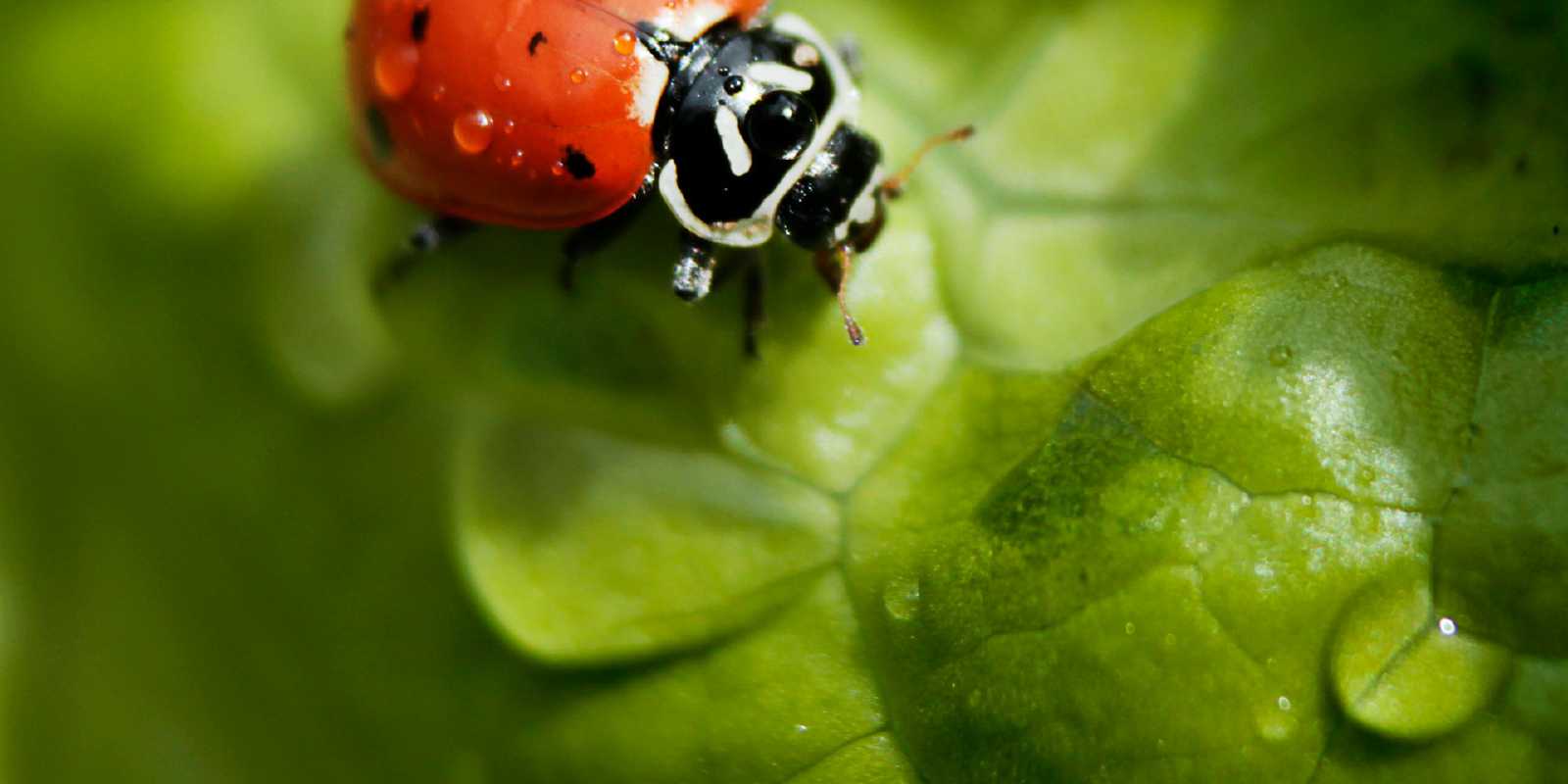
The most famous aphid predator is the ladybug. A single ladybug can consume thousands of aphids in its lifetime, making it an incredibly efficient pest control agent.
- Application: If you spot an infestation, you can introduce ladybugs directly onto the affected plants. You can often purchase ladybugs from local garden centers or online suppliers.
- Effectiveness: Ladybugs will actively hunt and feed on the aphids, drastically reducing their population.
- Long-Term Benefits: As long as there is a food source (aphids), the ladybugs will likely remain in your garden, providing continuous protection. Encouraging a healthy ecosystem with diverse plantings will help keep them around.
Method 3: Concoct Your Own DIY Sprays
For more widespread issues, a homemade spray can effectively treat your plants without resorting to harsh chemical pesticides. These recipes use common ingredients to create potent, natural insecticides.
- Simple Soapy Water: One of the easiest and most effective DIY sprays is a simple soap solution. The soap helps break down the aphids’ protective outer layer. Mix one to two teaspoons of mild liquid dish soap (without degreasers or bleach) into a gallon of water. Pour it into a spray bottle and thoroughly coat the infested areas of your plants, including the undersides of leaves.
- Nettle Water Infusion: Nettles are more than just a stinging weed; they can be used to create a nutrient-rich plant tonic that also deters pests. To prepare a nettle infusion, soak a large bundle of nettles in a bucket of water for 10-14 days. After it has fermented, strain the liquid and use it as a spray on affected plants.
- Tobacco Water Infusion: The nicotine in tobacco is a potent natural insecticide. To create a tobacco water spray, soak a few used cigarette or cigar butts in water for several days. Strain the resulting dark liquid and apply it with a spray bottle. A word of caution: Nicotine is a powerful poison that can also harm beneficial insects, so use this method sparingly and as a targeted treatment. Keep it away from pets and children.
Method 4: The Unconventional Quick Fix - Hairspray
For an immediate, stop-gap solution, some gardeners have found success with an item you likely already have in your bathroom: hairspray. This method is reported to kill aphids on contact without harming plants like delicate rosebuds.
- How to Apply: As soon as you spot an infestation, spray the affected leaves and fresh buds thoroughly with an aerosol hairspray. Ensure you get direct coverage on the aphids.
- Expected Results: Proponents of this method report that aphids die almost instantly. The treated plants can then be rinsed gently with water a few hours later to remove the hairspray residue and dead pests.
- Important Disclaimer: While this method can be effective in a pinch, it is unconventional. Different plants have different sensitivities. Always test the hairspray on a small, inconspicuous part of the plant first and wait 24 hours to ensure it doesn’t cause damage or discoloration.
Choosing Your Aphid Control Strategy
With several options available, it’s best to start with the least invasive methods and escalate as needed.
- Start Small: Begin with a strong jet of water or manual removal for minor issues.
- Go Natural: For a sustainable, long-term solution, encourage or introduce beneficial insects like ladybugs.
- Spray Responsibly: If the infestation persists, turn to DIY sprays like soapy water first, reserving stronger solutions for stubborn cases.
- Emergency Use: Keep the hairspray method in mind for an immediate, targeted treatment when you need to act fast.
By staying vigilant and using these proven techniques, you can effectively manage aphid populations and keep your garden healthy, beautiful, and thriving.