The Ultimate Guide to Natural Garden Pest Control: From Snails to Voles
 Nov 29, 2025
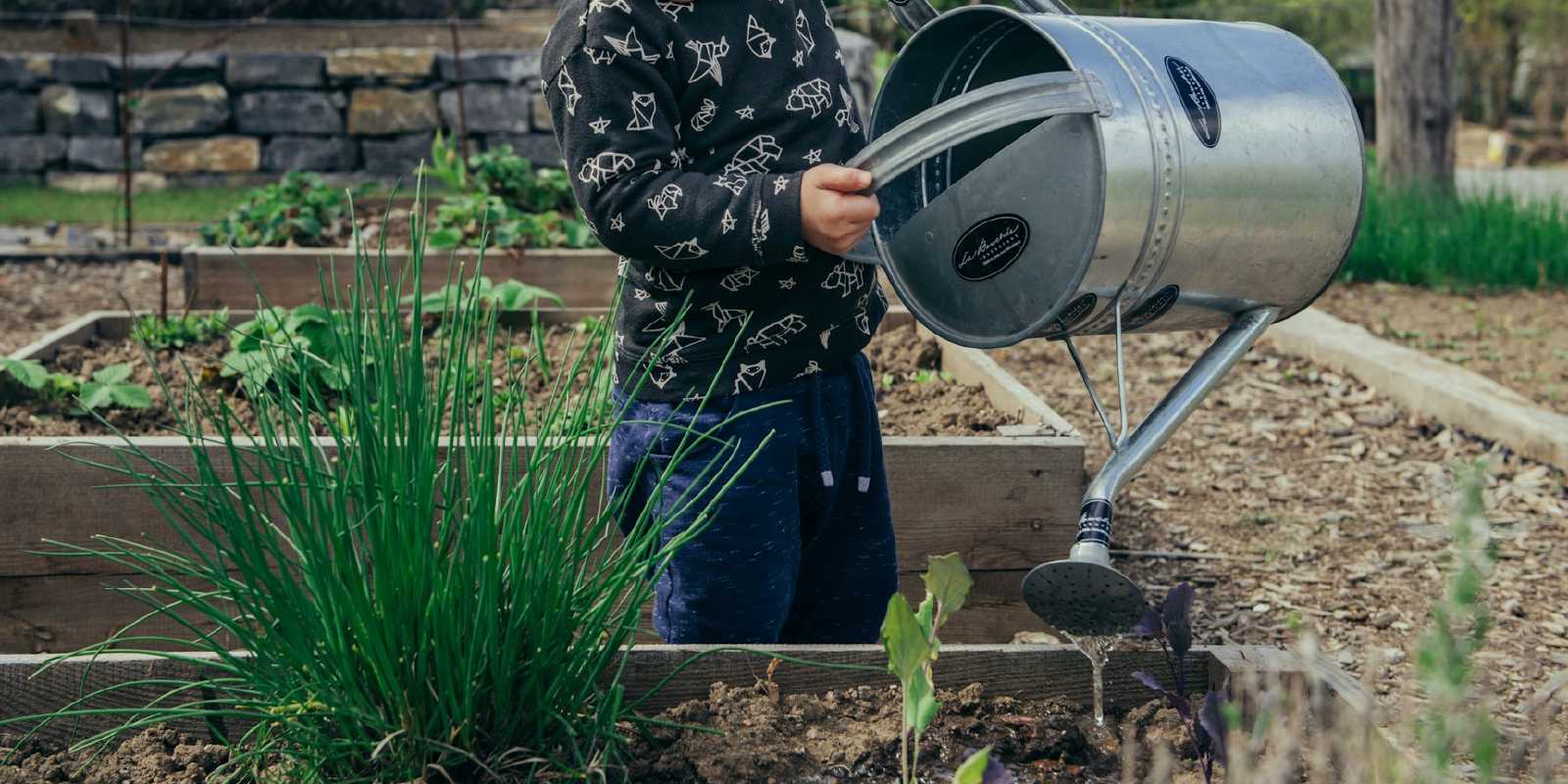
A thriving garden is a source of pride, but it can also be an open invitation for a host of unwelcome guests. Pests like snails, slugs, and voles can quickly undo your hard work, devouring tender leaves and undermining plant roots. While chemical pesticides offer a quick fix, they often come with a cost to the environment, beneficial insects, and the safety of your family and pets.
Fortunately, there’s a better way. By turning to natural, organic methods, you can effectively manage pests while fostering a healthier, more resilient garden ecosystem. This guide provides a comprehensive approach to tackling two common culprits—snails and voles—using simple, powerful, and chemical-free solutions.
Why Choose Natural Pest Control?
Before diving into specific techniques, it’s important to understand the benefits of an organic approach. Shifting away from harsh chemicals is not just a trend; it’s a strategic choice for a more sustainable and enjoyable gardening experience.
- Safety First: Natural methods are safer for children, pets, and wildlife that may visit your garden. You can harvest your vegetables and fruits without worrying about chemical residues.
- Protecting Pollinators: Chemical pesticides are often indiscriminate, harming beneficial insects like bees, butterflies, and ladybugs. Organic solutions are more targeted, preserving the delicate balance of your garden’s ecosystem.
- Healthier Soil: Synthetic chemicals can strip the soil of essential microorganisms, leading to long-term degradation. Natural approaches work in harmony with the soil, building its health and fertility over time.
- Cost-Effective: Many of the most effective natural repellents can be made from common household items or plants you can grow yourself, saving you money.
Tackling Common Garden Pests Naturally
With a commitment to organic methods, let’s explore two specific strategies for protecting your plants from common invaders.
Deterring Slugs and Snails with a Simple Copper Barrier
Snails and slugs can be relentless, especially in damp conditions. They leave a trail of slime and destruction, chewing through everything from leafy greens to delicate seedlings. One of the most effective and elegant solutions is a physical barrier made of copper.
The Science Behind Copper’s Power
This method works due to a fascinating chemical reaction. When a snail or slug’s moist body comes into contact with copper, its slime creates a small electrical charge. This electrolytic reaction is harmless to plants and humans but delivers an unpleasant jolt to the mollusk, effectively repelling it without killing it. It’s a natural, powerful, and humane deterrent.
How to Create an Effective Copper Barrier
Setting up a copper barrier is straightforward, but attention to detail is key for success.
- Choose Your Copper: You have several options, including copper wire, self-adhesive copper tape, or copper mesh. Copper tape is excellent for wrapping around the rims of pots and raised beds, while wire or mesh is ideal for creating a perimeter around in-ground garden plots.
- Position It Correctly: To keep pests from reaching your plants, install the copper barrier around the entire perimeter of the bed or container. For in-ground gardens, stretch a copper wire (or two, spaced about an inch apart) on small stakes so it sits slightly above the ground. This ensures that snails cannot simply crawl underneath it.
- Eliminate Bridges: Pests are resourceful. Ensure there are no “bridges” over your copper fence. Trim any overhanging leaves, branches, or weeds that could give snails an alternate route into the protected area.
- Keep It Clean: Over time, copper can oxidize and gather dirt, which reduces its effectiveness. Periodically wipe your copper barriers with a bit of vinegar on a cloth to keep them clean and shiny, ensuring they continue to deliver a deterring charge.
Repelling Voles with Aromatic Solutions
While snails attack from above, voles create chaos from below. These small rodents create extensive tunnel networks, damaging root systems and eating bulbs and tubers. Rather than resorting to traps or poisons, you can drive them away by offending their powerful sense of smell.
Creating a Potent Vole Repellent
Voles dislike strong, pungent odors. You can create a potent, chemical-free liquid repellent using a blend of strongly scented herbs and kitchen scraps. This solution makes their tunnels inhospitable, encouraging them to move elsewhere.
Ingredients You’ll Need:
- Rosemary
- Thyme
- Mint
- Savory
- Lavender
- Onion skins
- Potato peels
Preparation and Application
- Combine and Steep: Gather the herbs and peels in a large bucket or heat-proof container. You don’t need precise measurements; a few generous handfuls of each will do. The more aromatic, the better.
- Add Hot Water: Pour boiling or very hot water over the mixture, enough to fully submerge the ingredients.
- Let It Infuse: Allow the solution to steep for at least 30 minutes, or until it has cooled to a warm, manageable temperature. This process extracts the potent essential oils from the plant materials.
- Apply Directly: Carefully pour the warm liquid directly into the vole entrance and exit holes you find in your garden. The warmth helps carry the scent deep into the tunnel network.
For best results, repeat this process a few times over the course of a week. Consistent application is key to making the area unpleasant enough for the voles to abandon it for good.
Building a Long-Term Pest-Resistant Garden
While targeted solutions are effective, the ultimate goal is to create a garden that naturally resists pests. A healthy, balanced ecosystem is your best line of defense.
- Encourage Natural Predators: Make your garden a welcoming habitat for predators that prey on snails and voles. Install owl boxes to attract birds of prey, and create a small pond or water feature for frogs and toads. Birds, snakes, and even some predatory beetles will help keep pest populations in check.
- Practice Smart Planting: Interplanting aromatic herbs like garlic, chives, and mint throughout your vegetable beds can help confuse and repel a wide range of pests.
- Maintain Garden Hygiene: Remove fallen leaves, weeds, and other debris where snails, slugs, and other pests love to hide and lay their eggs. Good airflow around plants also helps reduce the damp conditions they favor.
By combining direct interventions like copper barriers and scent repellents with a long-term strategy of building a healthy ecosystem, you can protect your garden effectively and organically. Enjoy the peace of mind that comes from harvesting beautiful, healthy produce from a garden that works in harmony with nature.