The Ultimate Guide to Removing Stubborn Sticker and Adhesive Residue
 Nov 29, 2025
It’s a frustratingly common problem: you peel off a sticker, a price tag, or a piece of tape, and it leaves behind a stubborn, sticky, and unsightly residue. This gummy mess attracts dust and dirt, ruining the look of everything from new products and furniture to mailboxes and window frames. Getting rid of it can feel like an impossible task.
Fortunately, with the right tools and techniques, you can completely remove even the most persistent adhesive residue without damaging the surface underneath. This comprehensive guide will walk you through two of the most effective methods—a mechanical approach using a specialized scraper and a chemical approach using a powerful citrus-based cleaner—to leave your surfaces spotless.
Understanding Your Tools for Adhesive Removal
Before tackling the sticky mess, it helps to have the right tools on hand. Depending on the surface and the stubbornness of the residue, you may need one or both of the following solutions.
- Ceramic Glass Hob Scraper: Originally designed for cleaning glass-ceramic stovetops, this tool is a secret weapon for adhesive removal. Its sharp-yet-safe blade is perfect for lifting residue from hard, scratch-resistant surfaces without gouging them like a metal razor blade might.
- Orange Cleaner: A powerful, citrus-based degreaser. The active ingredient in most orange cleaners is d-Limonene, a natural solvent derived from citrus peels. It excels at breaking down and dissolving sticky, oily, and greasy substances, including many types of glue.
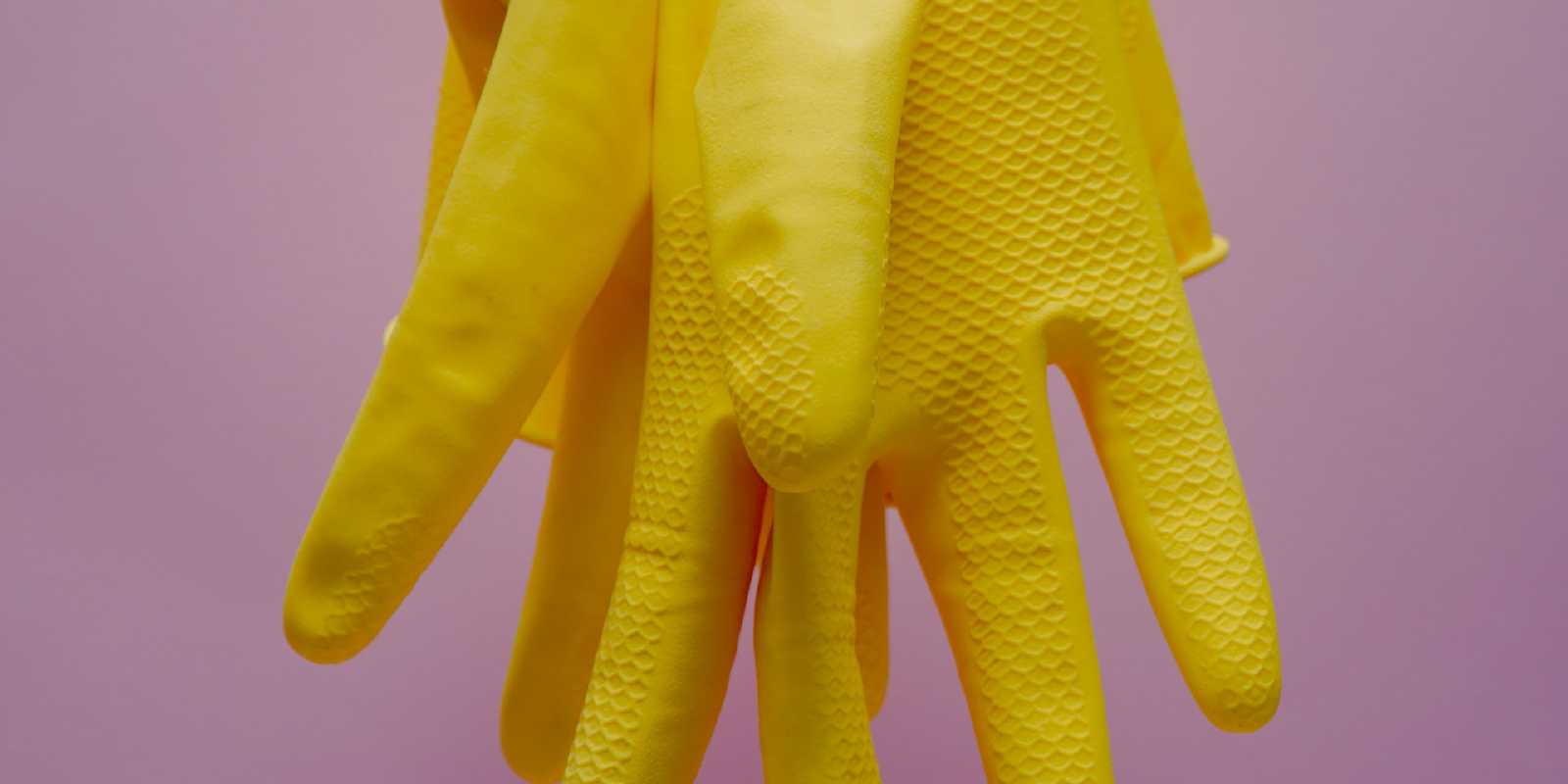
- Other Supplies: You may also want to have soft cloths or microfiber towels, a sponge, and protective rubber gloves.
Method 1: The Mechanical Approach with a Scraper
For tough, dried-on adhesive on hard, non-porous surfaces, a mechanical approach is often the fastest and most effective. This method physically lifts the residue from the surface. A ceramic glass hob scraper is the ideal tool for this job.
When to Use a Scraper
This method is best suited for durable, scratch-resistant surfaces such as:
- Glass and mirrors
- Ceramic tile
- Metal (like a mailbox)
- Glazed porcelain
Caution: Avoid using a scraper on painted surfaces, wood, soft plastics, or coated furniture, as it can easily cause permanent scratches or remove the finish. Always test on a small, inconspicuous area first if you are unsure.
Step-by-Step Guide to Using a Scraper
Let’s use the common example of removing old, baked-on tape residue from a metal mailbox.
- Position the Scraper: Hold the ceramic hob scraper at a low, shallow angle to the surface—around 30 degrees is ideal. This allows the blade to get under the residue without digging into the material.
- Apply Gentle, Firm Pressure: Using smooth, steady strokes, push the scraper forward into the adhesive. The residue should begin to lift and peel away in strips or shavings. Let the sharpness of the blade do the work; you shouldn’t need to apply excessive force.
- Work in Sections: Continue scraping in one direction, slightly overlapping your strokes until all the larger patches of residue are gone.
- Clean Up the Remnants: After scraping, you might notice small stains or a faint film left behind. To finish the job, simply use a sponge with a mild cleaning agent (like a cream cleanser) and some water. Wipe the area clean and dry it with a soft cloth for a perfect finish.
Method 2: The Chemical Approach with Orange Cleaner
If you’re dealing with a delicate surface or a very sticky, gummy residue, a chemical solvent like an orange cleaner is your best option. This method works by dissolving the adhesive, making it easy to wipe away.
Why Orange Cleaner Works
The power of orange cleaner comes from d-Limonene, a natural solvent that is highly effective at breaking down the chemical bonds in many adhesives. This process turns the hard, tacky residue into a softer, liquid-like substance that no longer sticks to the surface.
Step-by-Step Guide for Standard Residue
For most everyday stickers and labels, a diluted solution is all you need.
- Prepare the Solution: If you have an orange cleaner concentrate, mix it with water according to the manufacturer’s instructions.
- Apply the Cleaner: Generously apply the solution directly onto the adhesive residue. For vertical surfaces, a spray bottle works best to ensure even coverage without excessive dripping.
- Let It Dwell: This is the most critical step. You must allow the cleaner sufficient time to work its magic. Let it sit on the surface for at least 5-10 minutes. This “dwell time” gives the solvent a chance to penetrate and break down the adhesive.
- Wipe It Away: Once the residue has softened, it should be easy to remove. Use a soft cloth or a paper towel to wipe the dissolved mess away. For any remaining bits, you can use the corner of a plastic card or your fingernail to gently nudge them off before wiping again.
- Rinse and Dry: Clean the area with a damp cloth to remove any remaining cleaner, then dry the surface thoroughly.
Tackling Stubborn Residue with Concentrated Cleaner
For particularly old, thick, or stubborn adhesive, you can use the orange cleaner undiluted.
- Application: Apply the pure orange cleaner concentrate directly to the residue.
- Safety First: When using the cleaner in its pure form, it is a potent degreaser that can dry out your skin. Always wear rubber gloves to protect your hands. Ensure the area is well-ventilated.
- Removal: After letting it dwell, the residue should wipe away easily. You may need to use a bit more elbow grease, but the concentrated solvent is incredibly effective.
Beyond Adhesives: Other Uses for Orange Cleaner
Pure orange cleaner is a versatile addition to your cleaning arsenal. It’s excellent for deep cleaning plastic surfaces, such as coated furniture, computer casings, and PVC window frames, leaving them clean and with a pleasant orange scent.
The Ultimate Solution: Combining Both Methods
For the absolute toughest jobs, you can combine both methods. Start by applying orange cleaner to soften and dissolve the bulk of the adhesive. After letting it dwell, use the ceramic hob scraper to easily lift the softened, gummy residue. This combination minimizes the amount of scraping needed and reduces the risk of scratching the surface.
By choosing the right method for your specific problem, you can say goodbye to sticky residue for good and restore your items to their clean, original state.