Underlay for Planting and Repotting
 Nov 24, 2025
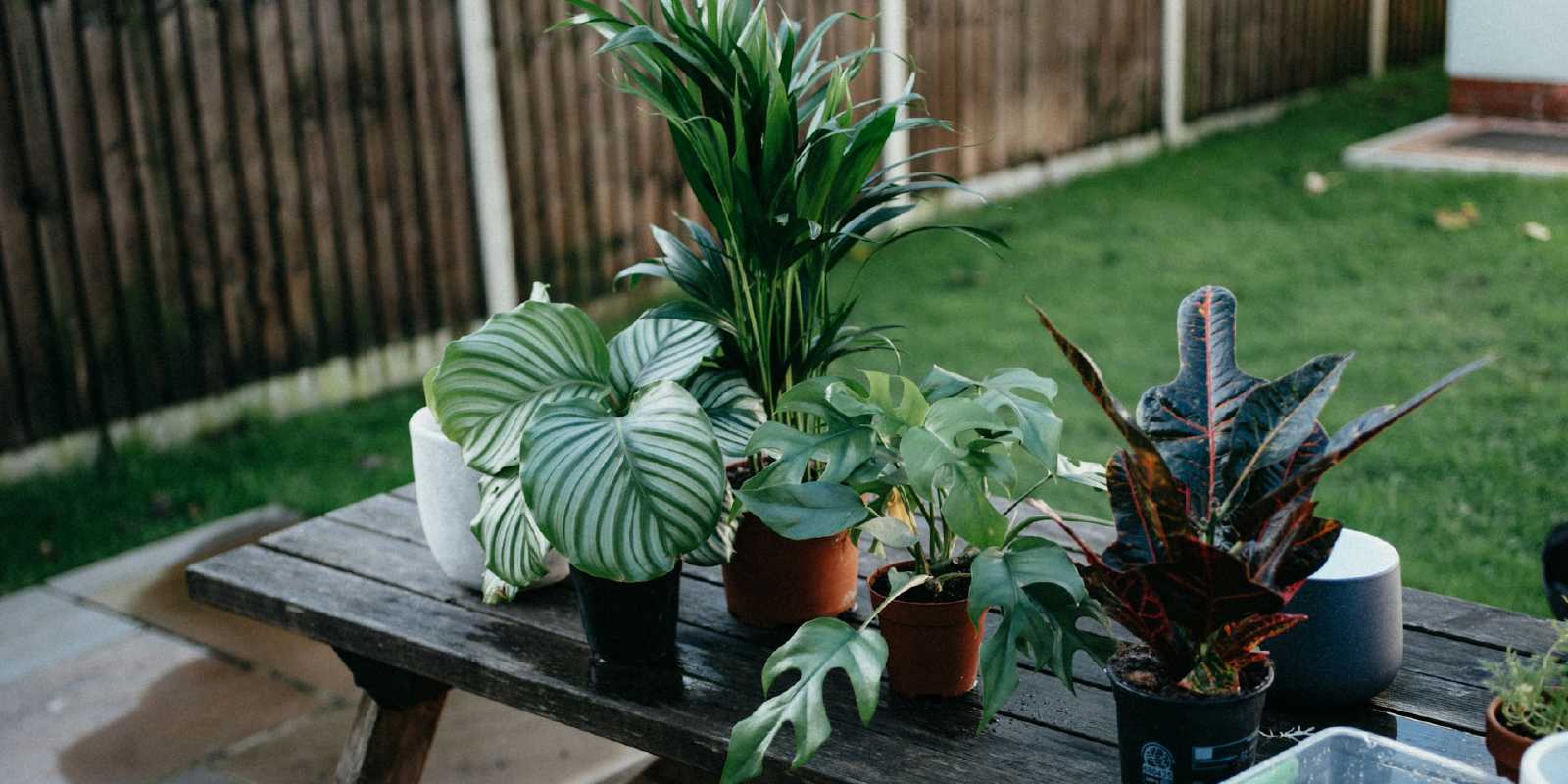
When planting or repotting plants, especially on balconies or terraces where cleanliness is a priority, using a suitable underlay simplifies the process and maintains tidiness. This method is ideal for avoiding the mess often associated with handling potting soil, eliminating the need to move pots to a designated dirty area.
Recommended Underlay Material
An old oilcloth tablecloth makes an excellent underlay. Its properties make it superior to other options:
- Durability: Unlike paper, which quickly becomes wet and tears, oilcloth is robust and reusable.
- Stability: It is heavy enough to lie flat without creasing, even when swept clean after use.
- Ease of Cleaning: Soil can be easily swept off, and excess soil can be efficiently poured back into containers.
While old shower curtains can also be used, they are generally less effective than oilcloth. Potting tables are often too small or may require clearing before use, making a flexible underlay a more convenient alternative.
Utilizing Leftover Soil
After repotting, any remaining potting soil, even from a torn bag, can be collected on the underlay. Simply funnel the soil from the underlay into an empty container, ensuring it is ready for future use.
Additional Applications
Oilcloth underlays can also serve other gardening purposes, such as a catch mat for pruning. For instance, when trimming shrubs like boxwood, a circular oilcloth can be cut from the edge to the center and placed around the plant. A small central hole can be cut to fit around the trunk, and the edges of the underlay can be slightly raised, possibly secured, to effectively collect debris.
This approach ensures a quick cleanup, keeping surrounding floors and surfaces clean and tidy after gardening tasks.